Magnificent Madagascar
In this blog I'm sharing with you my trip diary of my 3-week birding adventure to Madagascar in September 2025
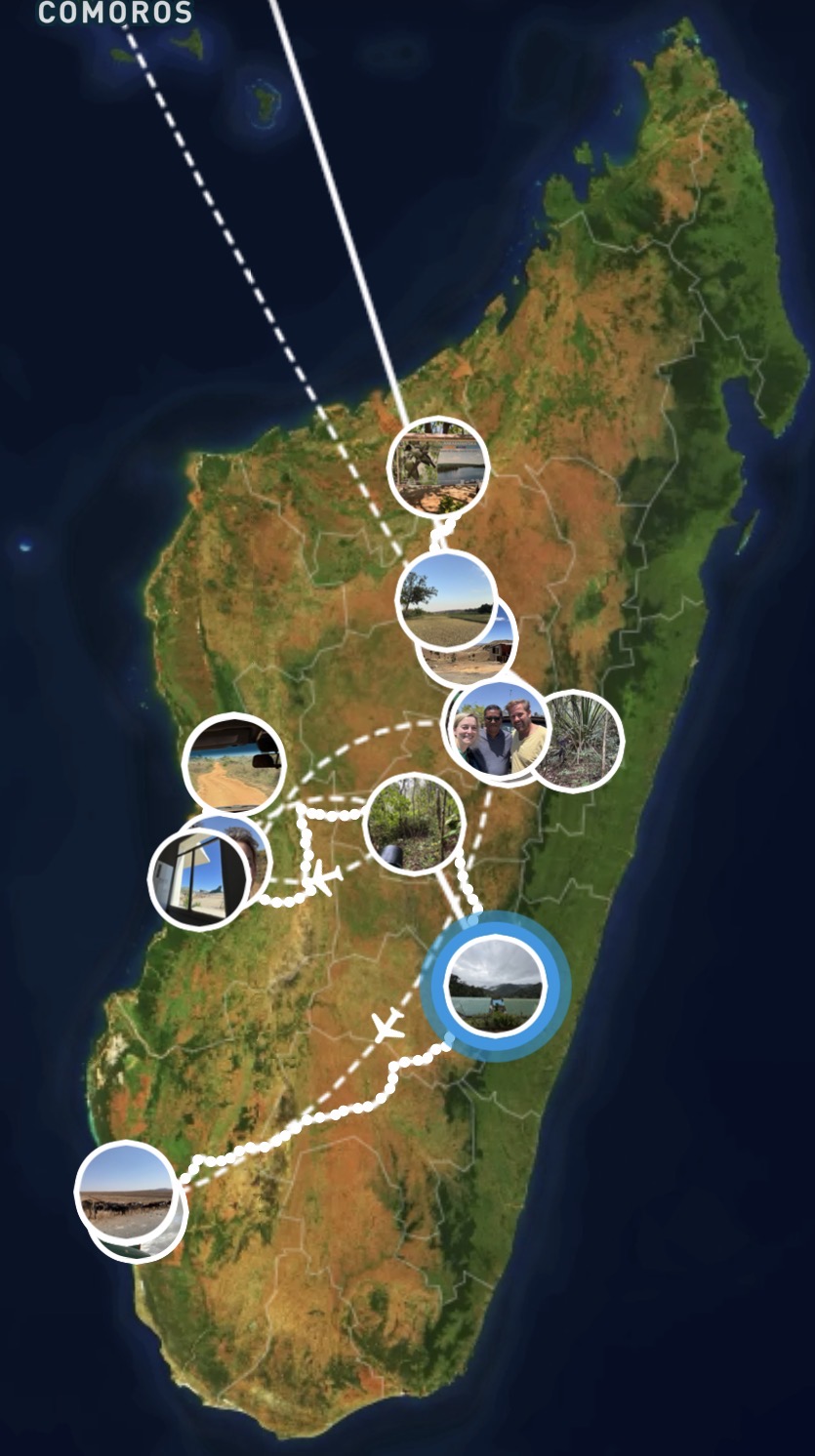
Situated next to the coast of Mozambique, Madagascar is an island the size of Belgium and France combined spanning 57,000 sqm and the home to around 32 million people. I took a 3-week trip to Madagascar, covering national parks in the East, South and West. The fauna and flora I experienced ranged from dry deciduous forest to humid, luscious rainforest.
Madagascar is not only the home to 18 tribes, it also hosts to a large number of endemic species of which 110 birds, and about 100 mammals (numbers that keep changing as taxonomy evolves). My main targets before leaving were the Ground-Rollers, Schlegel’s Asity, Indri Indri and the low-streaked tenrec.
The South, dry deciduous forest
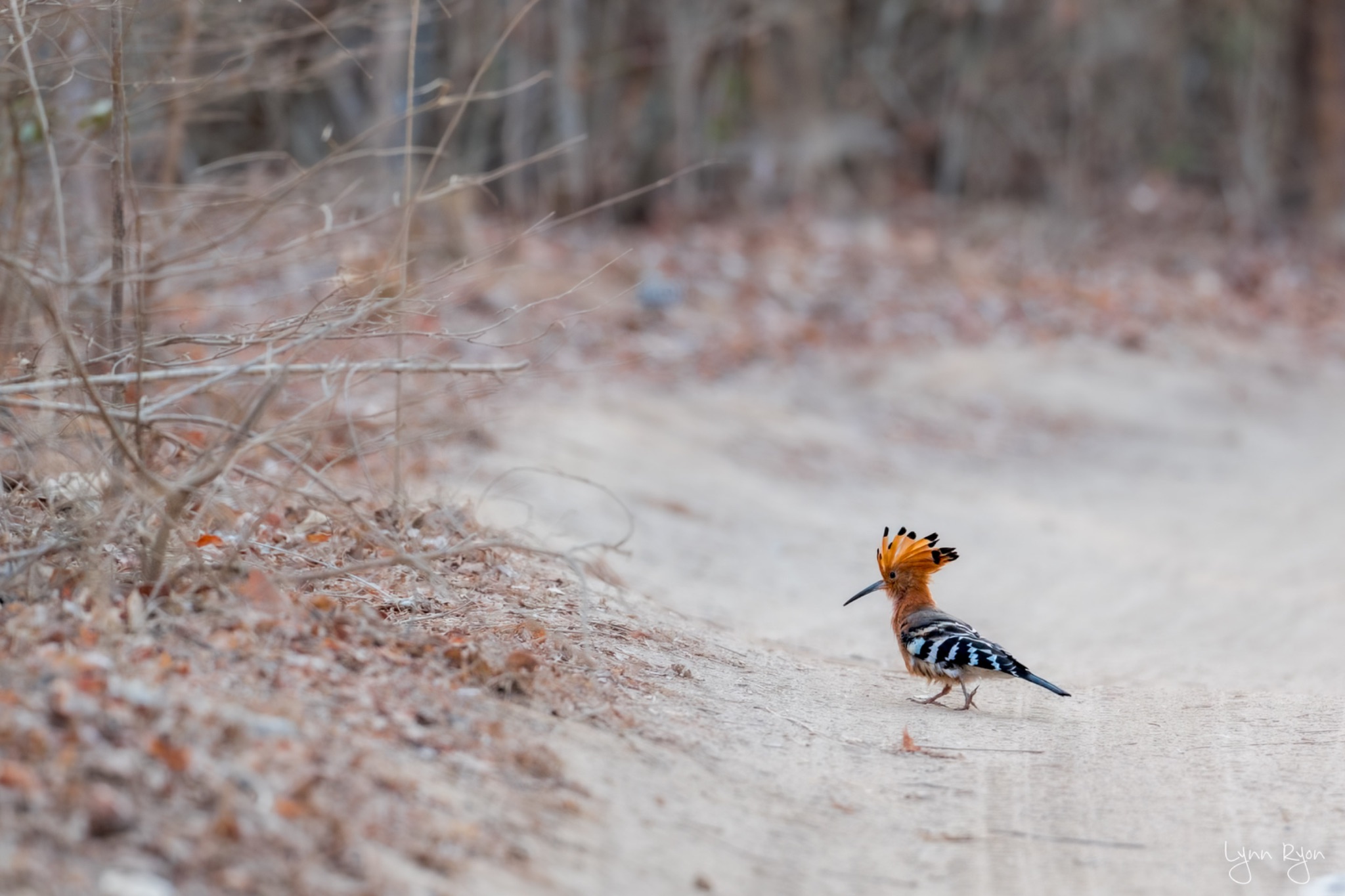
The first park we covered was Mangily Park, situated in the dry south of the island. I love those first days in a new country as the you just don’t stop adding new species to the list, common or endemic. Key highlights were the weird-looking Sickle-billed Vanga, the cute Sakalava Weaver and the Madagascar Hoopoe.
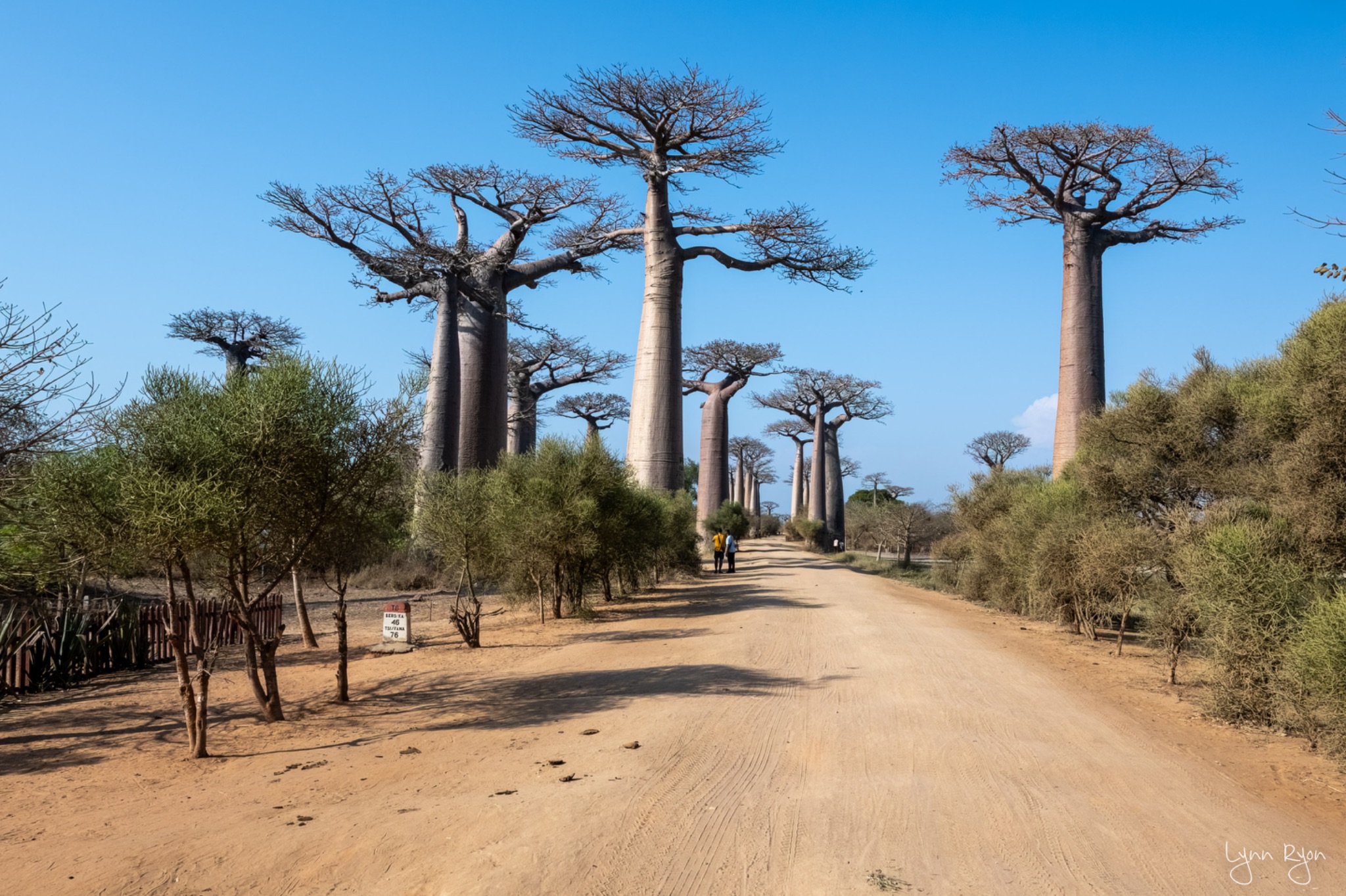
It was the first time for me spending time in such a dry, deciduous forest. The sand underneath the feet makes it a bit more challenging but the leafless branches of the trees make the birdspotting easier. I also saw my first Baobab trees of the trip, all having their own unique name and story. 2 large Baobabs with a third, smaller one, in the middle becomes “The family” etc.
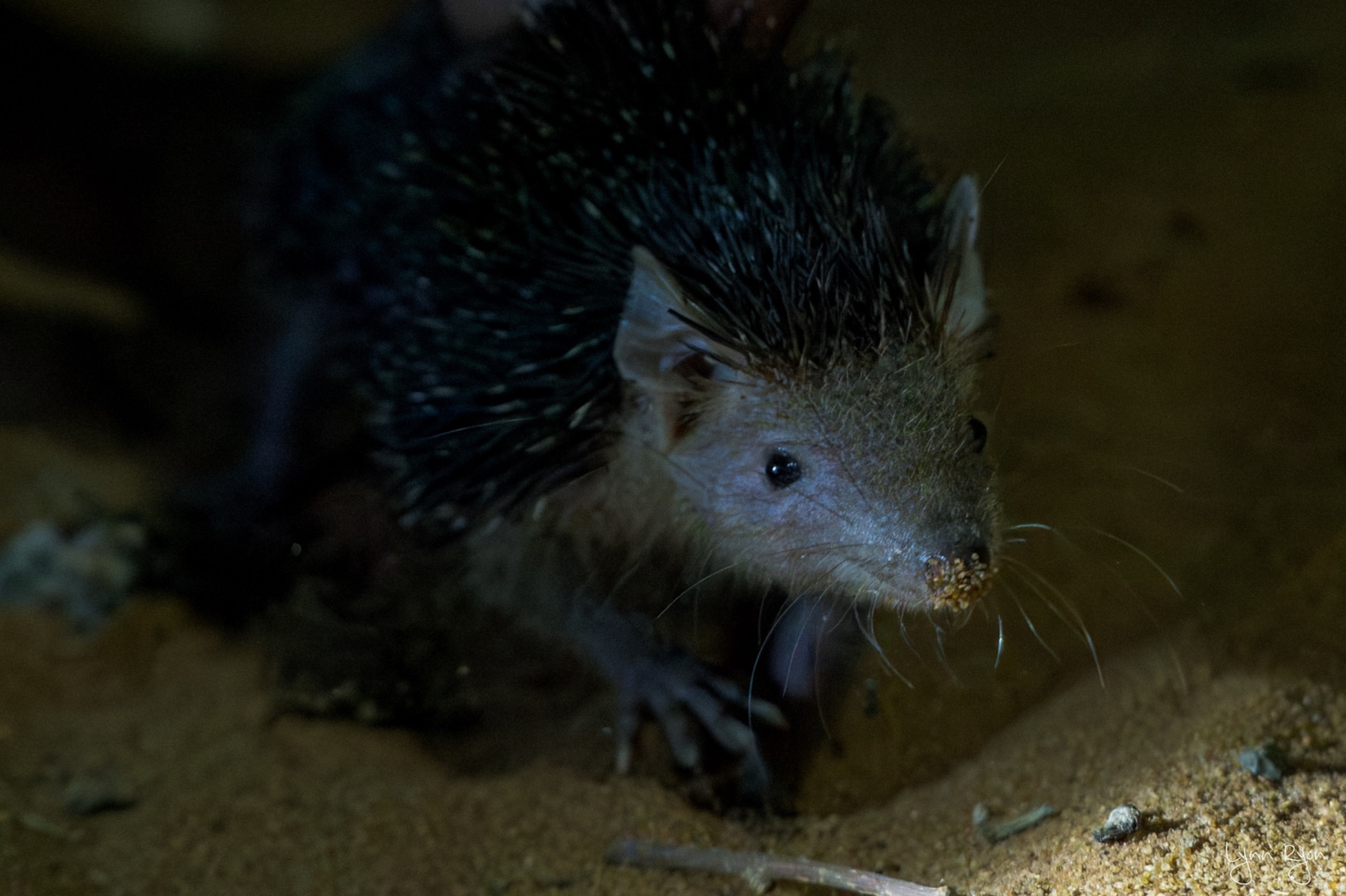
During our night walk where the big full moon became the canvas for the dark Baobab trees, I suddenly heard a mouse-like creature making noise between the dry leaves. “I hear something here, it sounds rather big!” I whispered urgently to the guide. He put his flashlight on and immediately we saw the small, hedgehog like creature trying to cross our road. A Greater Hedgehog Tenrec. I could not realize my luck yet as it was going to be the first but also the only time i saw a tenrec during my trip.
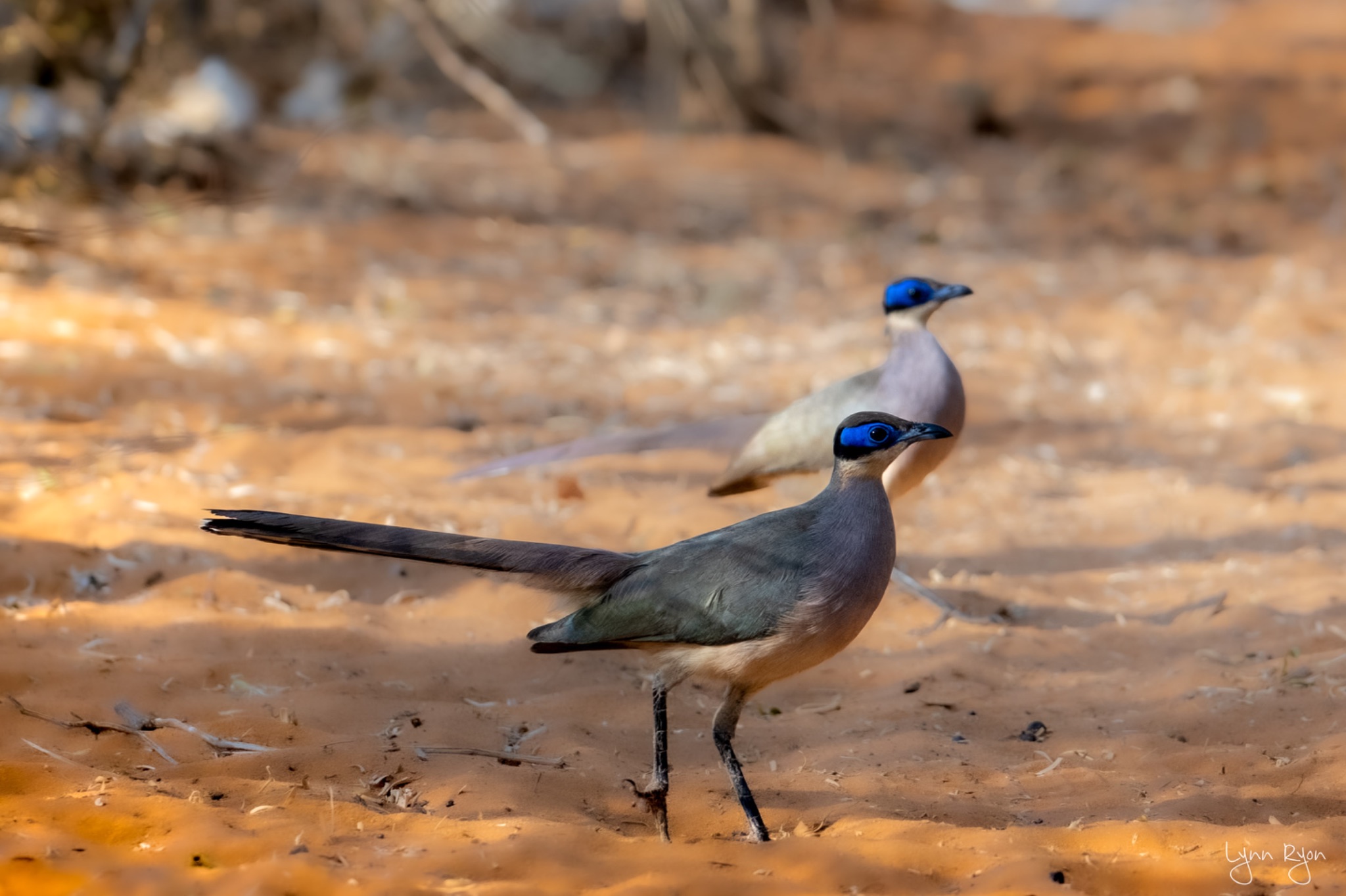
The next day we revisited the Mangily park to find the species that were still missing from the target list such as the Giant Coua and we made a stop by the Mangily Salt lake to spot our shorebirds on the list like the Madagascar, Three-banded and Klittlitz plover before we continued on to Zombitse National park to search for Appert’s Tetraka.
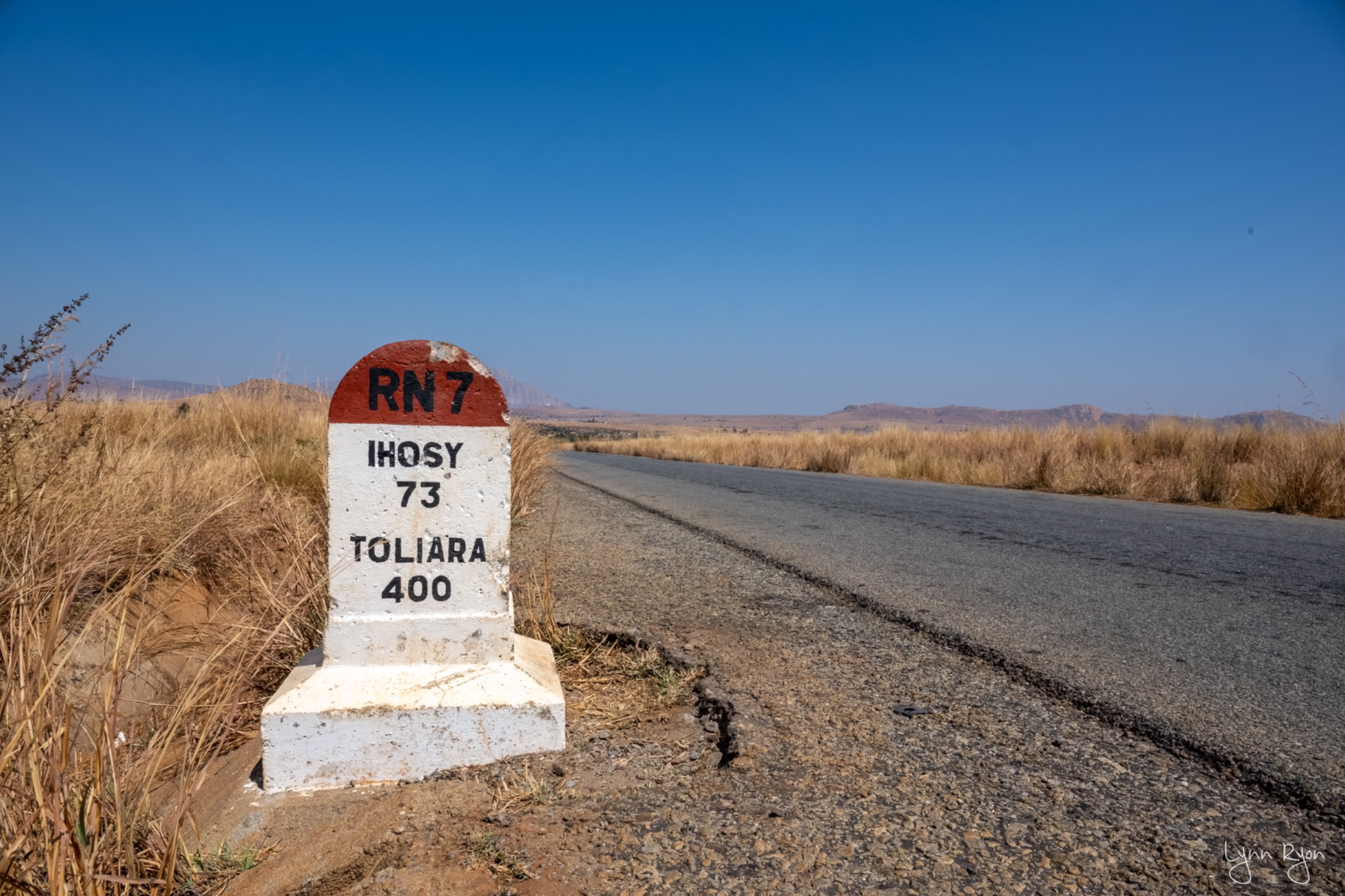
Visiting Madagascar also means spending a lot of time in the car. Not necessarily due to the actual distances but due to the bad quality of the road. I had read some blogs of other travellers prior to coming here and I must admit: the roads are bad. This is nothing compared to the roads in Sulawesi or Halmahera last year where the roads were narrow but well maintained. Several of the “Routes Nationales” are just a sandy road where both zebu and cars try to cross each other, preventing from driving into people walking barefoot on the road with goods to sell. The bridges we cross no longer have the metal horizontal bars that prevent you from falling off as the metal is taken and used for something else, leaving only the vertical concrete poles behind.
From King Julian to Simona
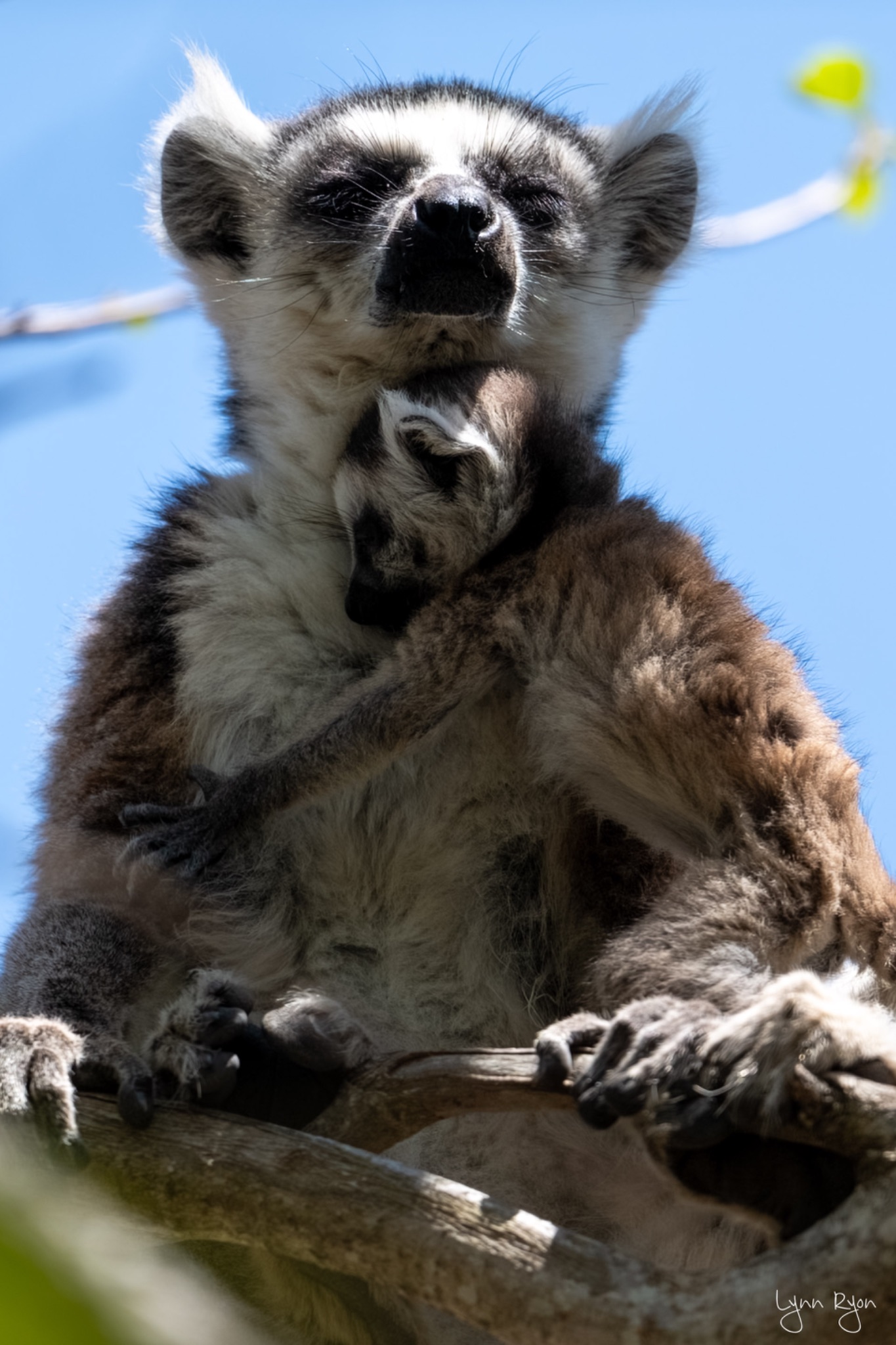
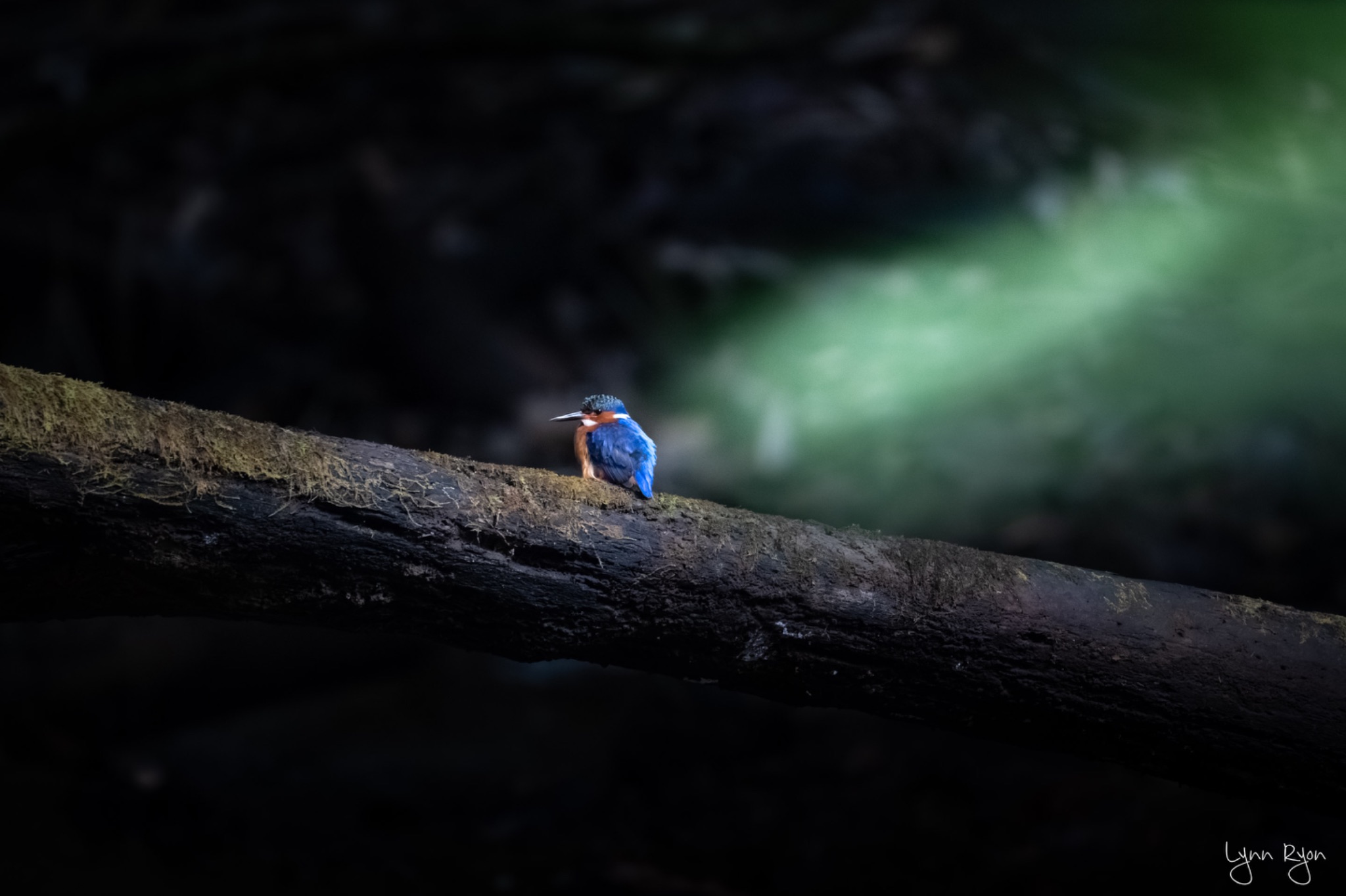
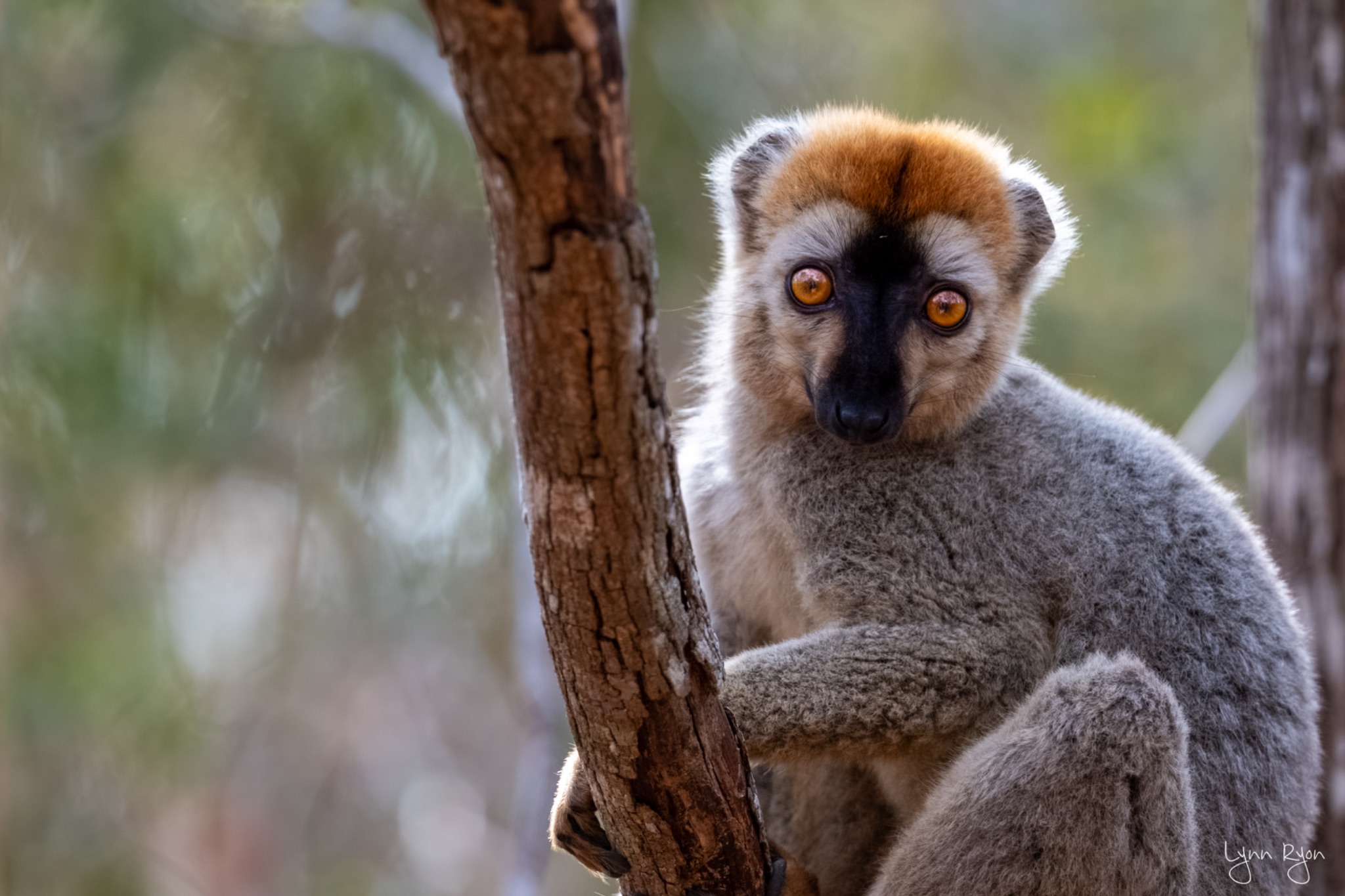
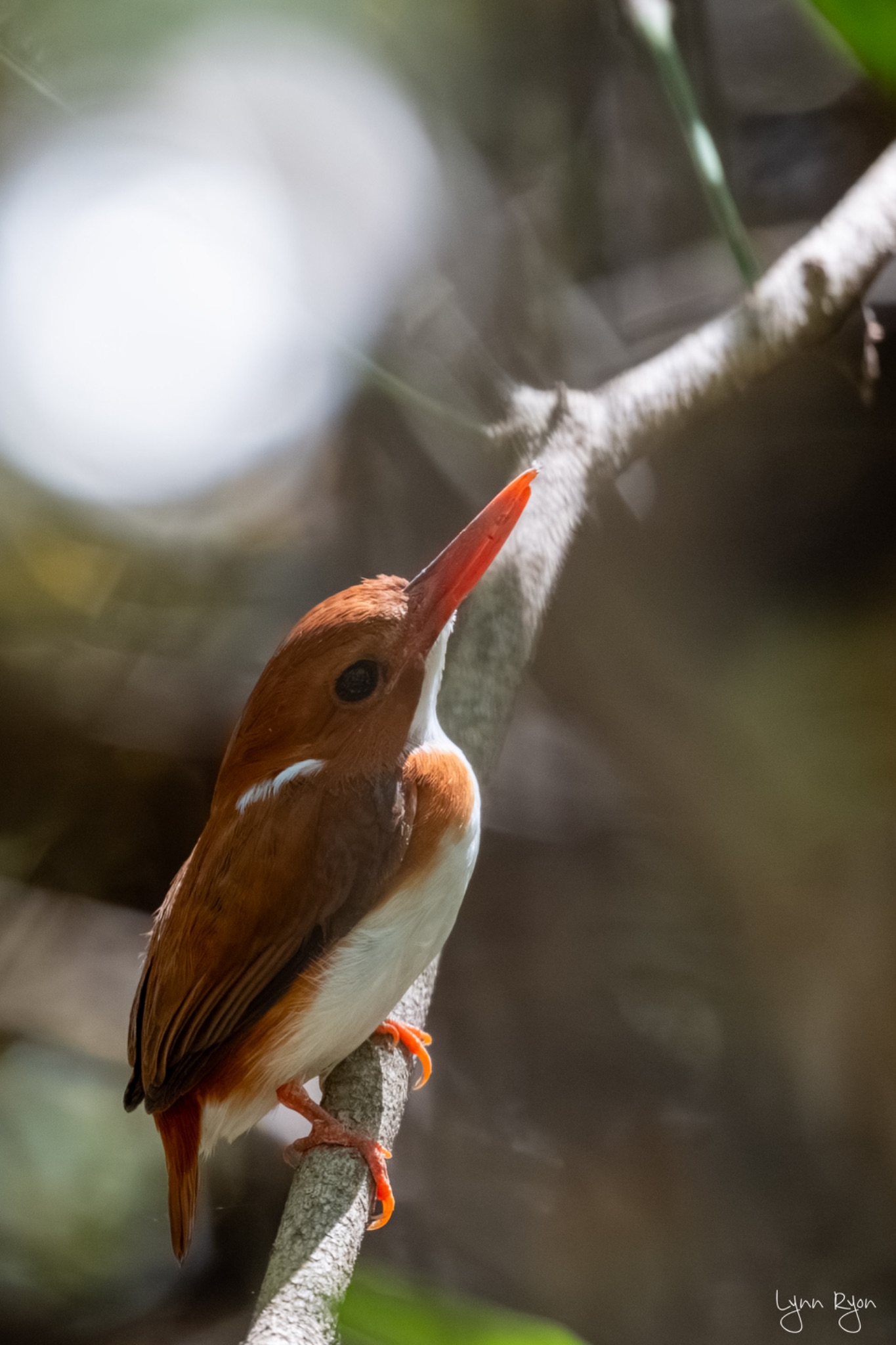
On our way to Fiaranantsoa, we took a stop at Anja Park. It was time for the Ring-tailed Lemurs! When I was telling people I was travelling to Madagascar, 90% asked me: “So will you see King Julian?” (Ref the kids movie series “Madagascar”). I saw dozens of "King and Queen Julians" in that beautiful, community maintained park. However the biggest surprise was not the lemurs, but the Pygmy Kingfisher the guide spotted just at the entrance of the park. I was immediately thrown back to Indonesia, where we had spent hours looking for the Pygmy Kingfishers and here this one just sat on a branch right in front of our noses. Despite my severe stomach issues I had that day, I could not have been more lucky.
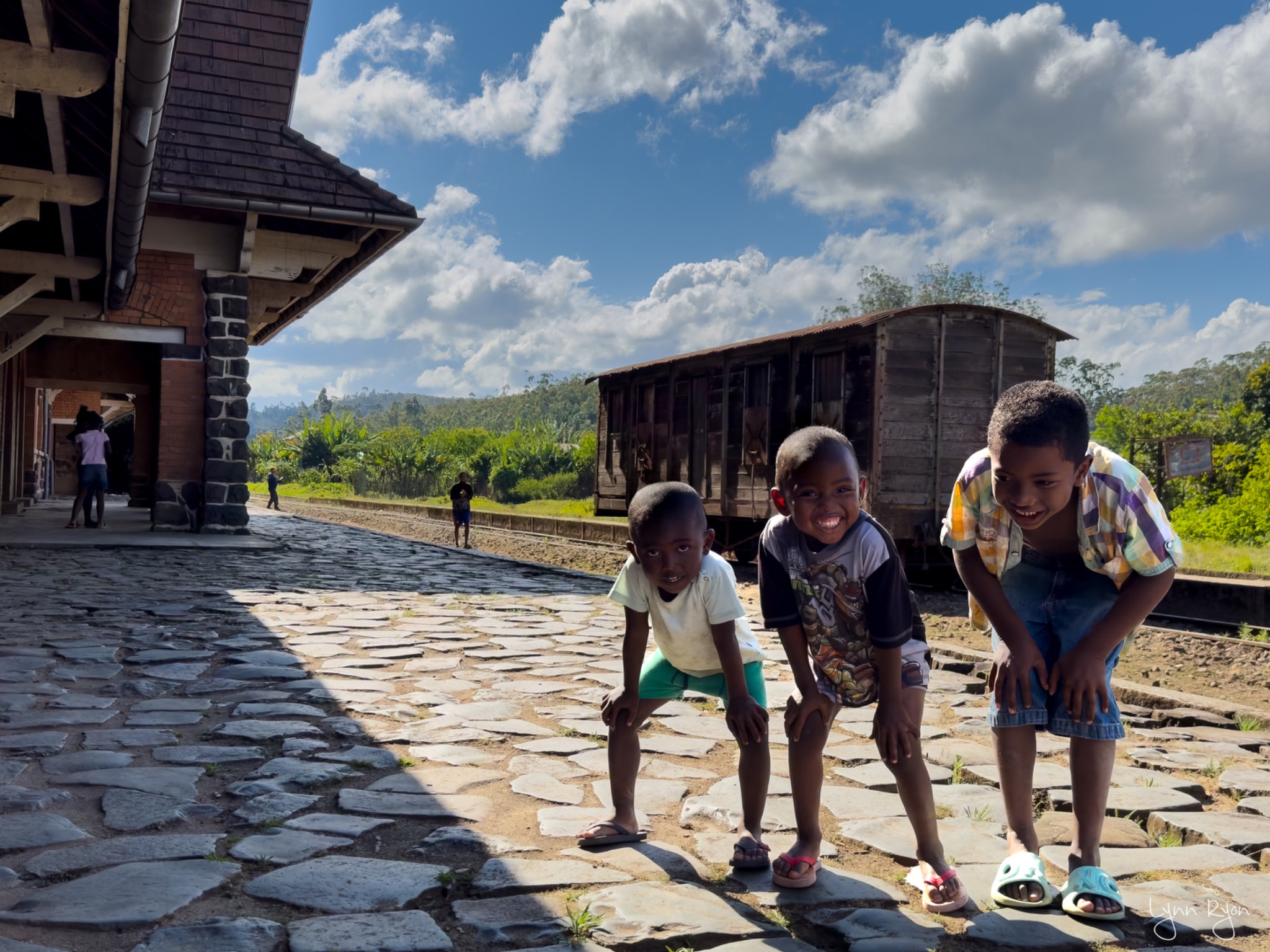
In the evening guide Jean-Marie wished us good luck with the trip and he returned back on a 14-hour trip by Taxi Brousse. I cannot imagine what it must be like to sit in these tiny busses where 40 people get squeezed on only 20 seats and the roof gets covered with all types of luggage. From groceries over bed mattresses to live chickens. The railway track looks more promising however the train only runs once every two weeks and during the other days it’s used as a playground for kids and a meeting point for the villagers.
Top driver Olivier slowly but carefully got us all the way up to Ranomafana National Park. It was already dark when we arrived and it was cold and raining heavily. Quite the opposite of the sandy Mangily forest were I was only a couple of days ago. 5 minutes after entering my lodge and starting to unpack the bare necessities to go for dinner and sleep, the electricity shut down in the whole area. The candles in the bathroom made me assume that this was not the first time. It became a candlelight shower followed by a candlelight dinner.
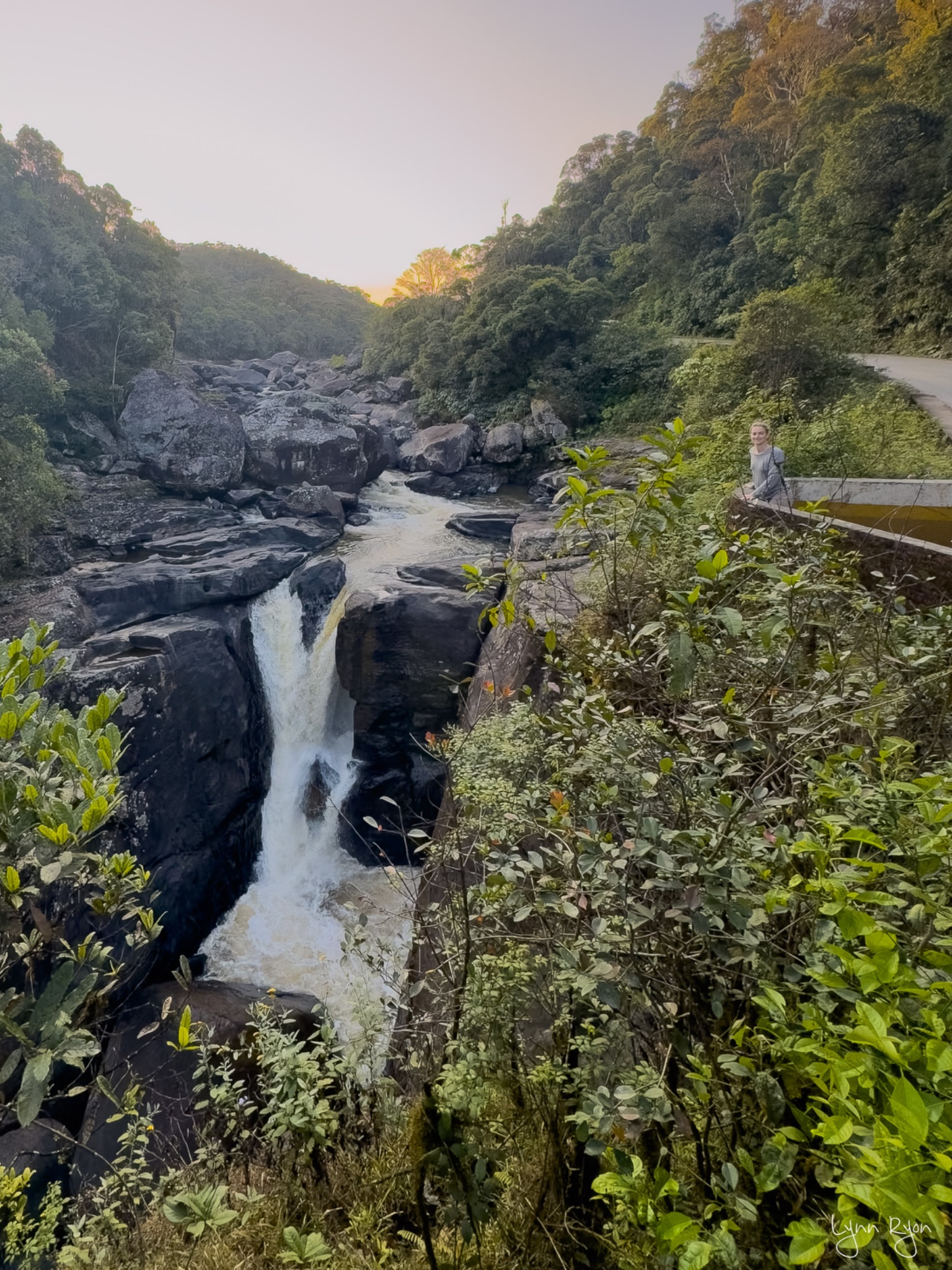
It rained the whole night and despite of the cold, I really felt “home” in this bed with the sound of the rain and the smell of the forest. Waking up I realised that today was the day when I would walk over the famous yellow bridge of Dr Patricia Wright, the researcher who not only rediscovered the Golden Bamboo lemur but also founded Ranomafana National Park, making it the first community-based rainforest national park of Madagascar.
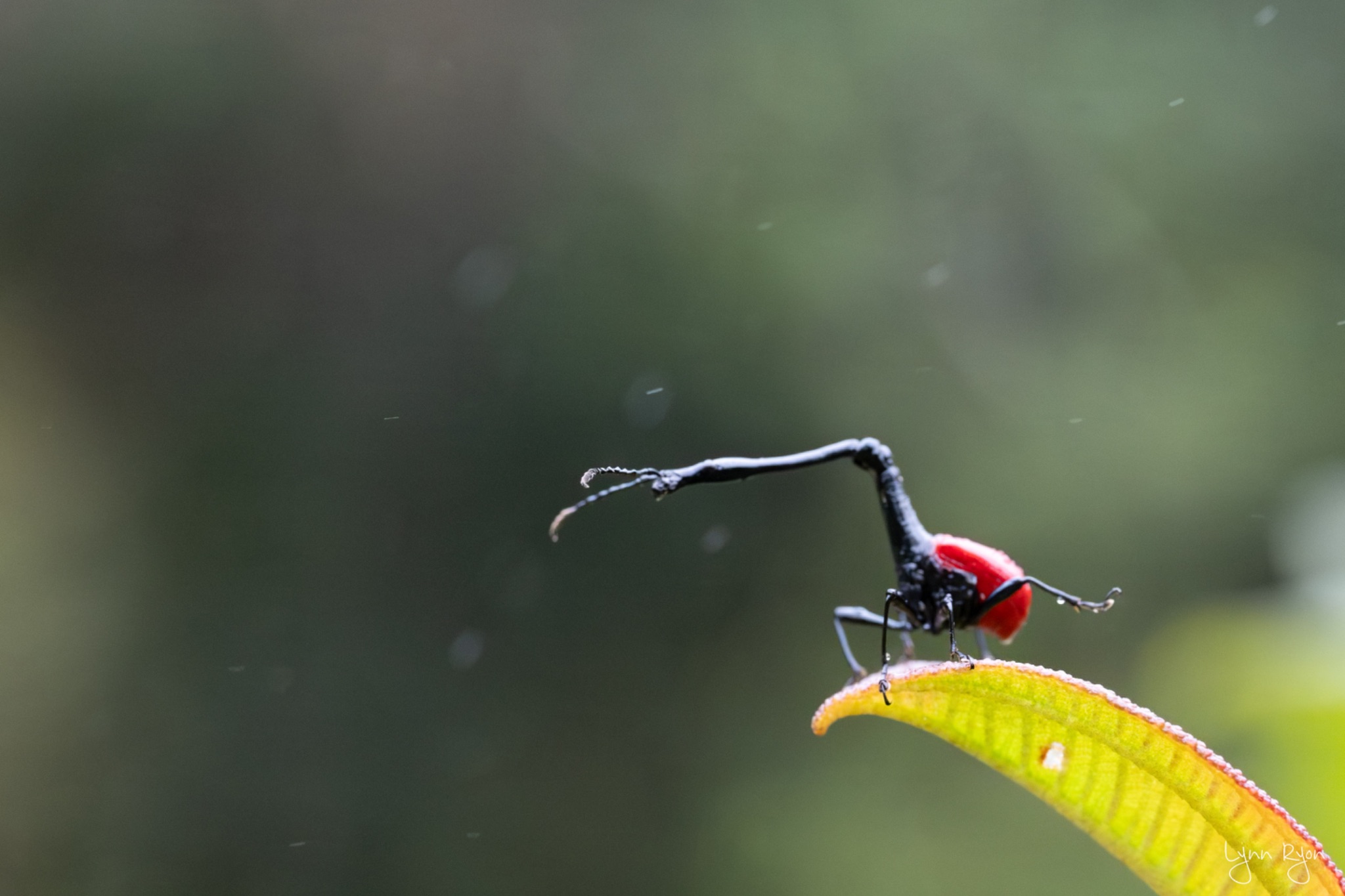
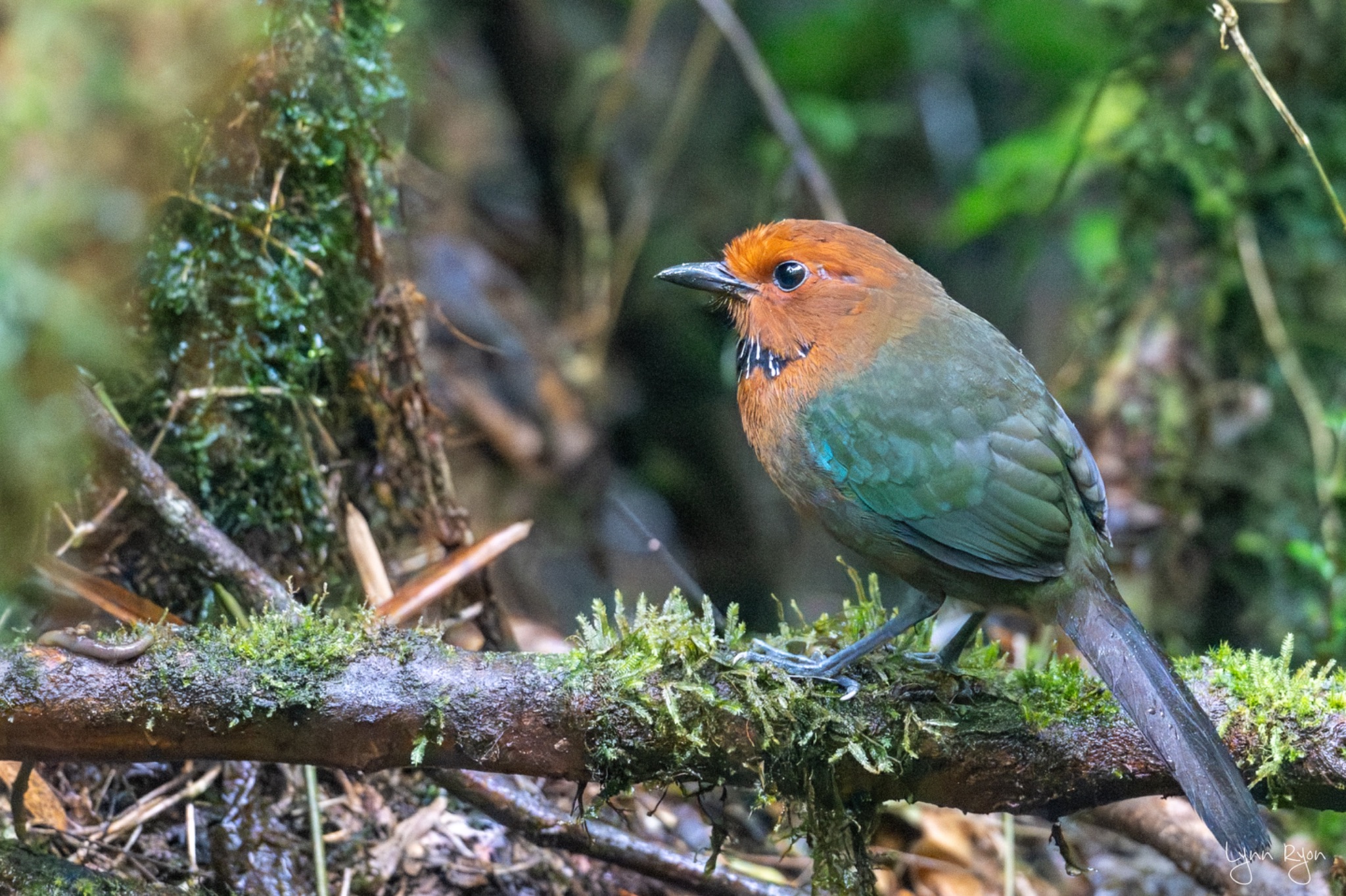
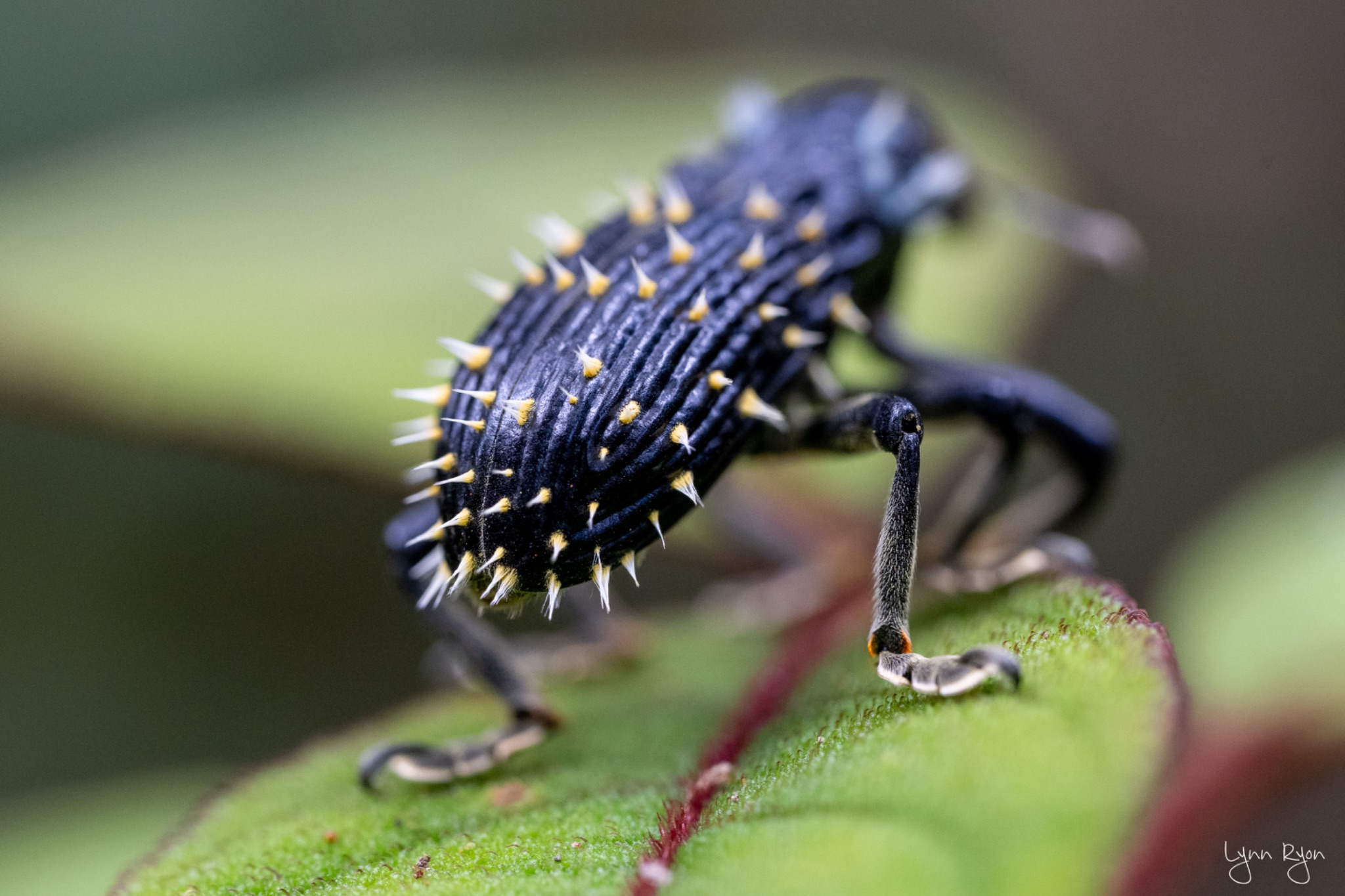
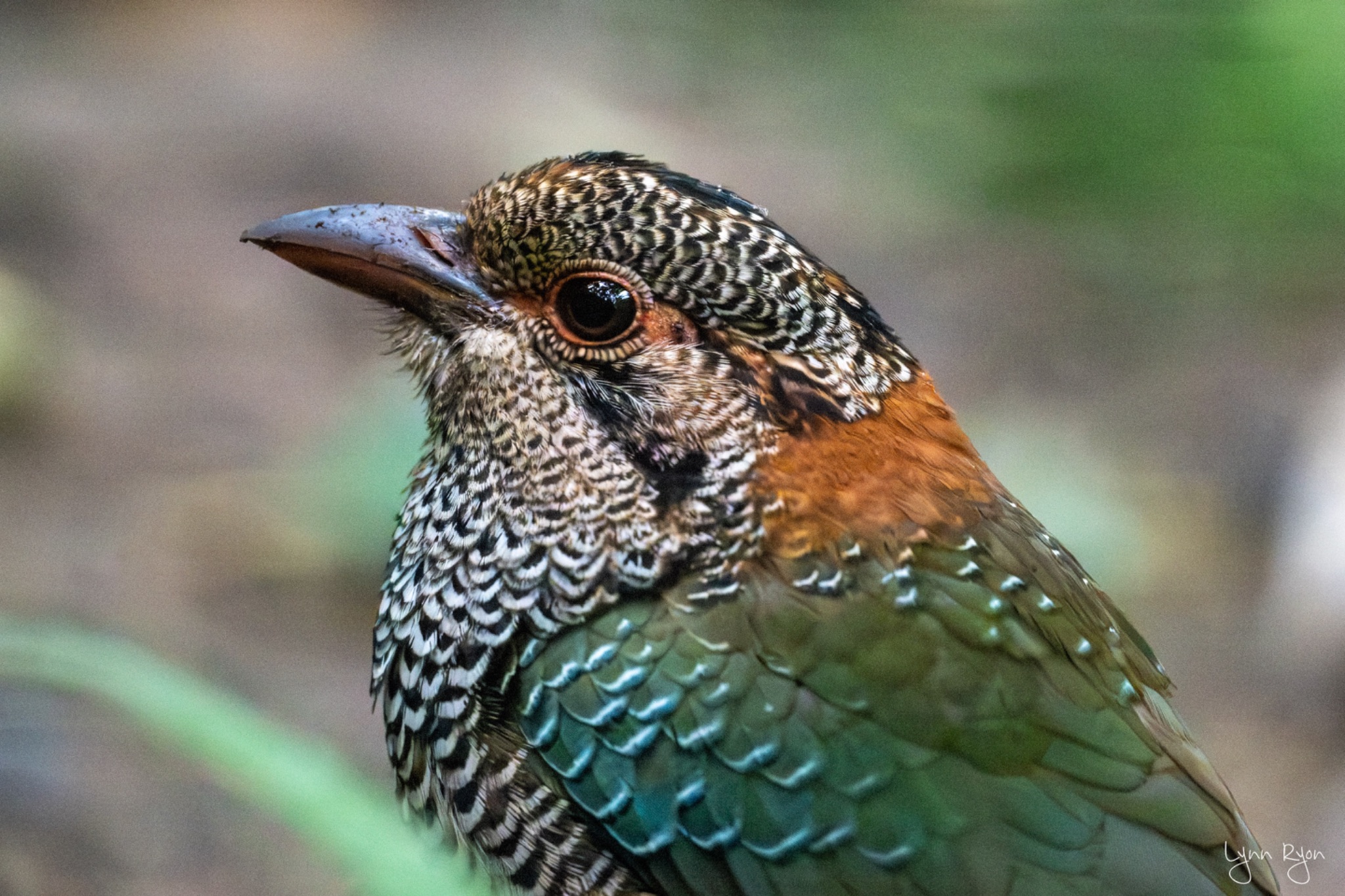
Adrien, our guide for the coming two days, explained that he worked with Dr Wright when she first came here. He was a young local guy and he got educated to become a birding and wildlife guide in the park. He loves his job and takes a lot of pride in it. During our two days together, he showed me the Giraffe Weevil for which I could finally take out my new macro lens, got me a great photo of the Blue Vanga and together with Jean helped to find the very timid Rufous Ground-Roller and the beautiful Scaly Ground-Roller. This last bird and I shared fifteen minutes of quiet looking at each other as I sat down on the jungle floor, photographing the bird as it came closer, clearly driven by curiosity.
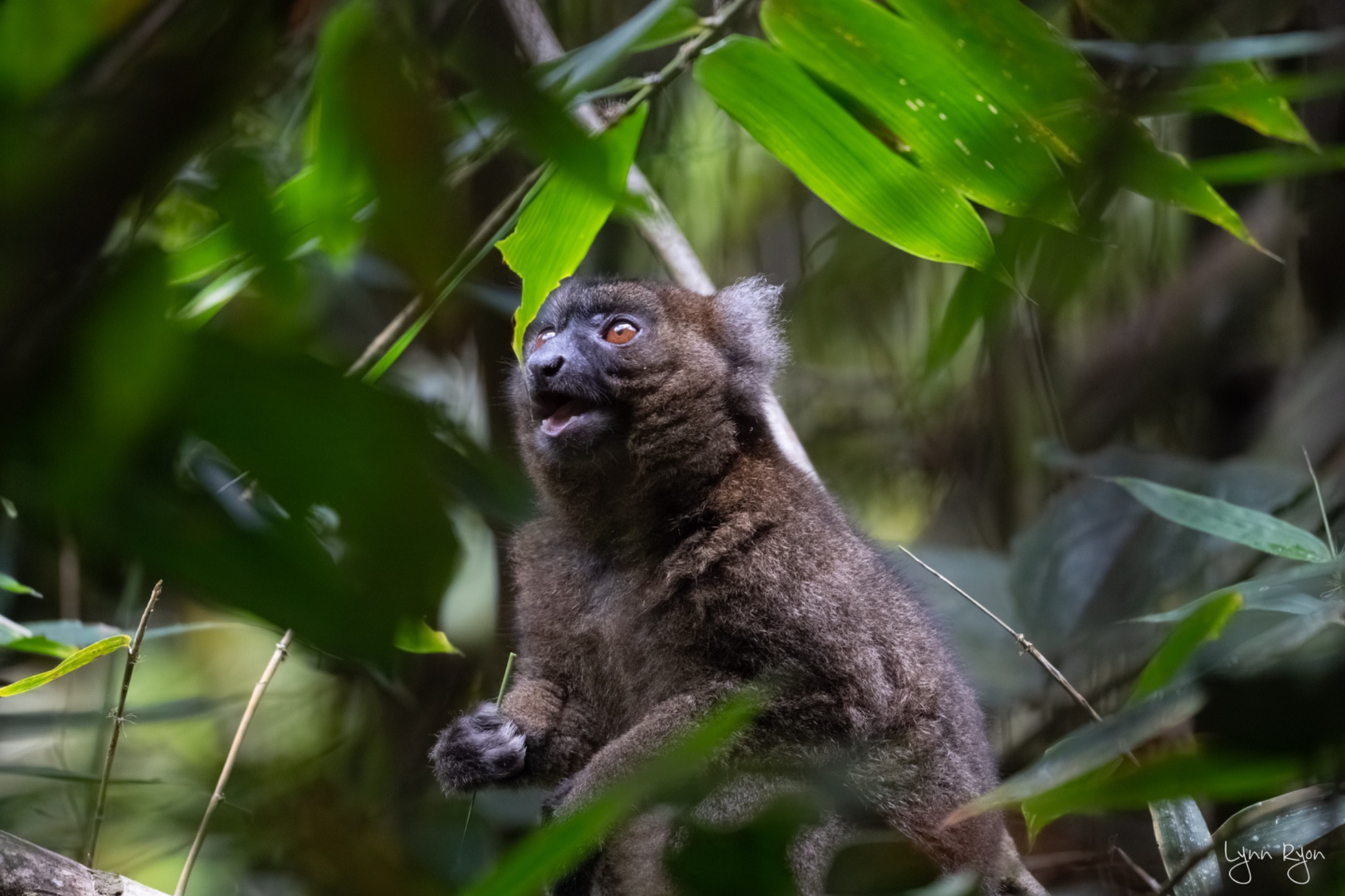
I find photographing in the rainforest quite challenging because of the reduced light and during those two days it rained heavily. Despite the darkness and the high ISOs I was able to make some nice photos of the birds and of Simona, the last Greater Bamboo Lemur that lives in Ranomafana. Up till a few years ago this female lemur lived together with her father in the park. After his passing, the park rangers and researcher tried to match her with other species of lemur groups in the park but those introductions never worked out. As she did not reproduce, she is now left as the only one of her species in this park. She frequently calls out looking for her family, but these will not come back anymore. They called her Simona which means “family never back” in Malagasy.
The rocky road to Rocky Tsingy de Bemaraha
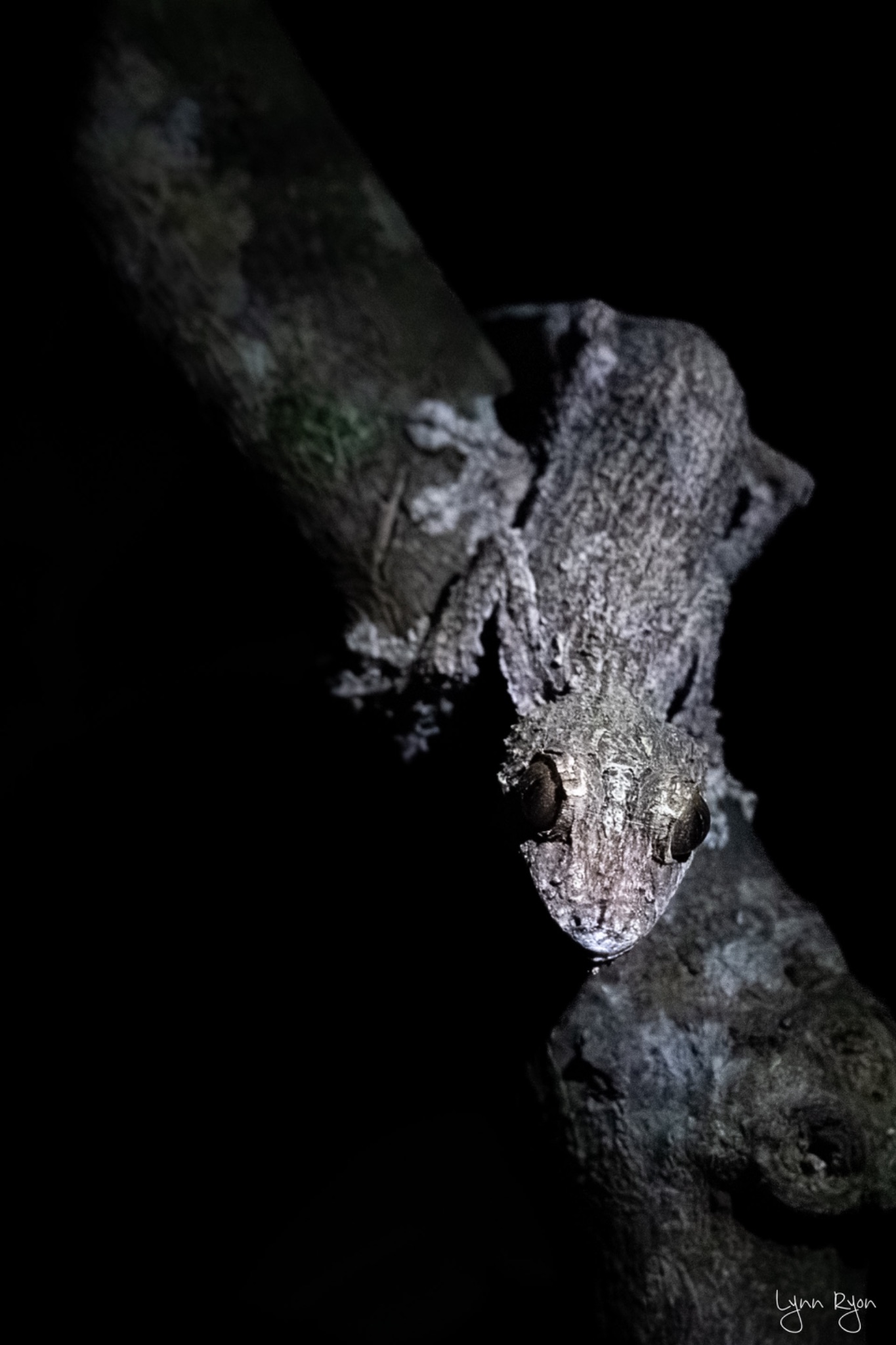
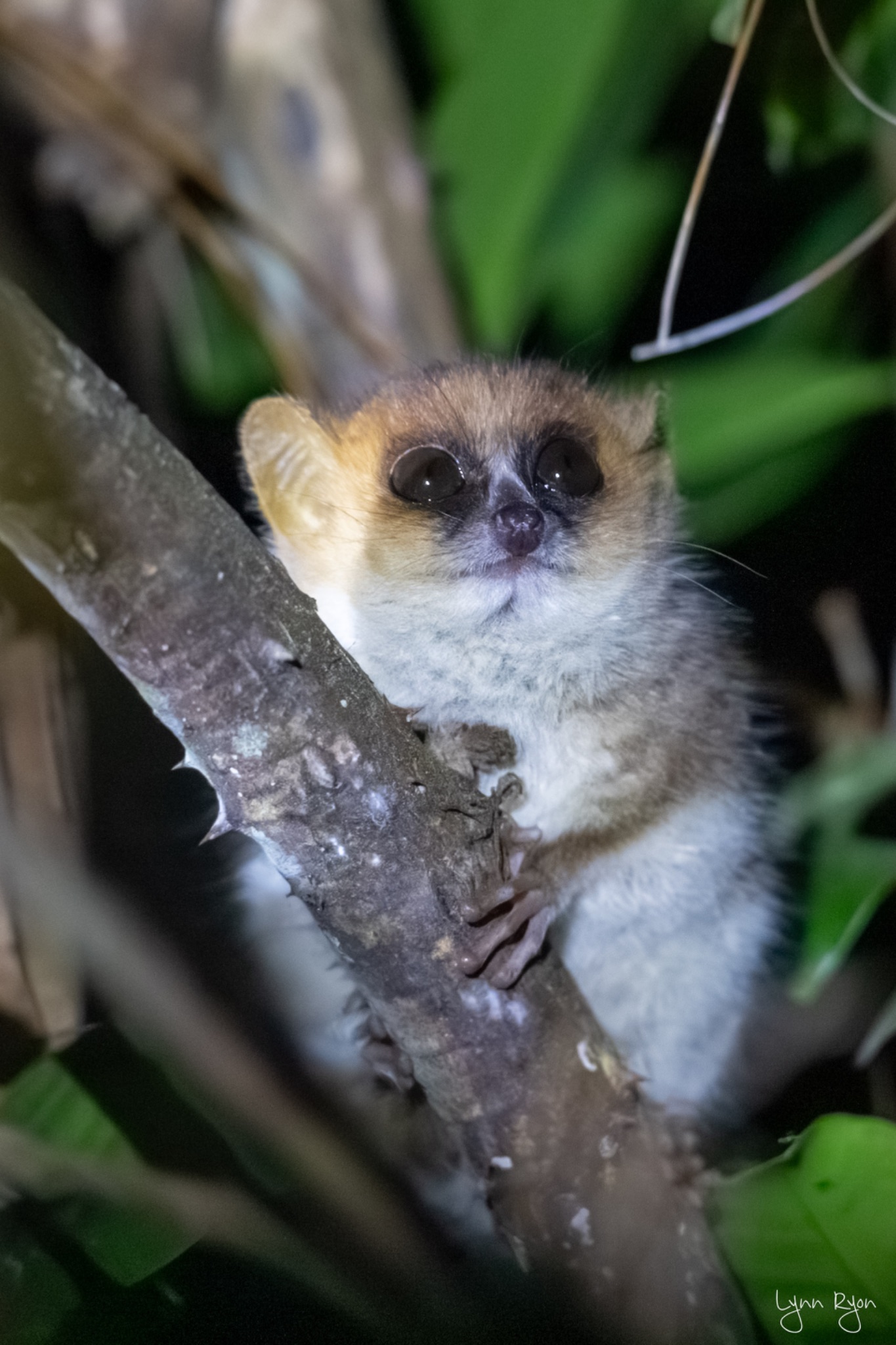
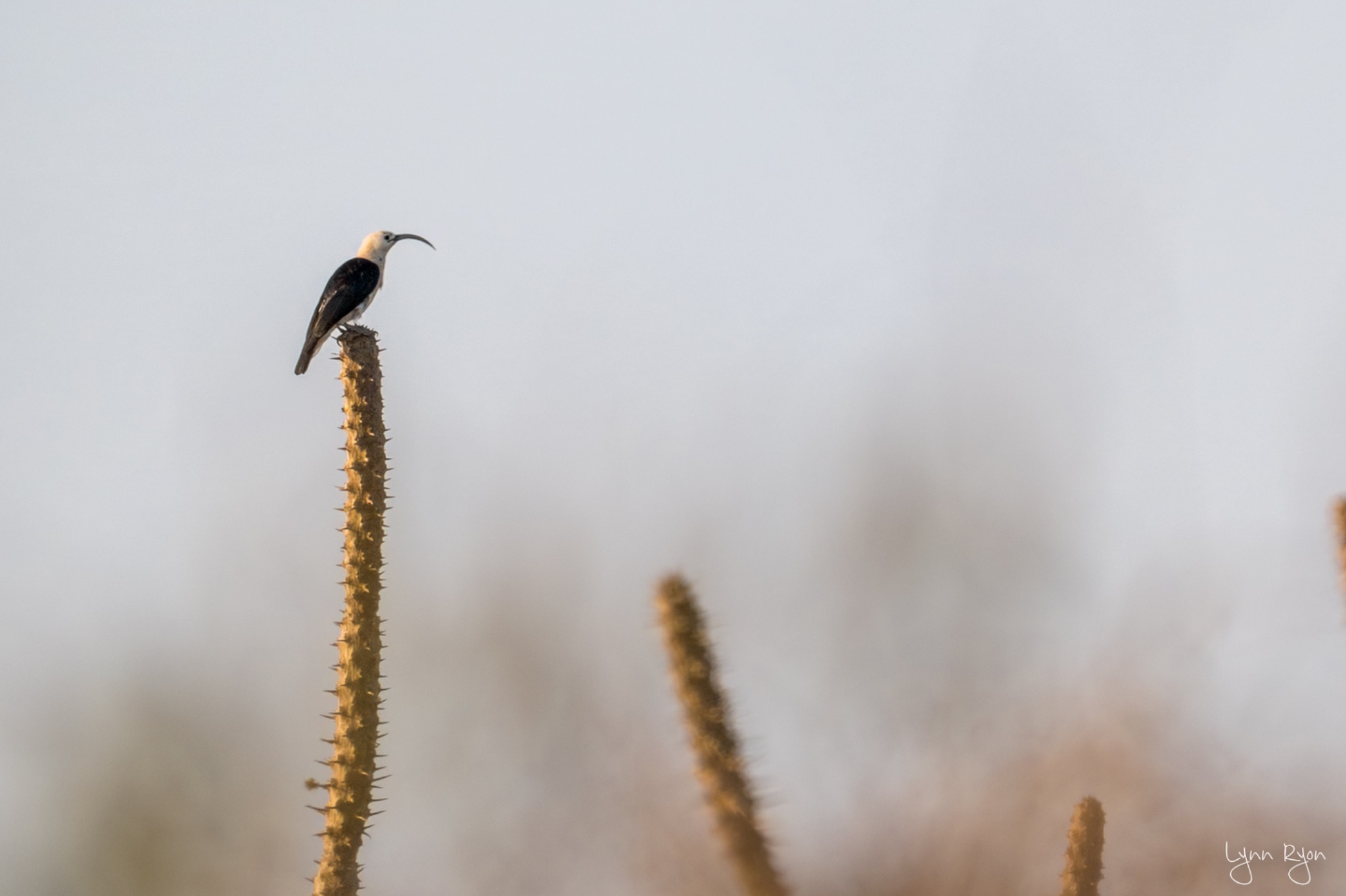
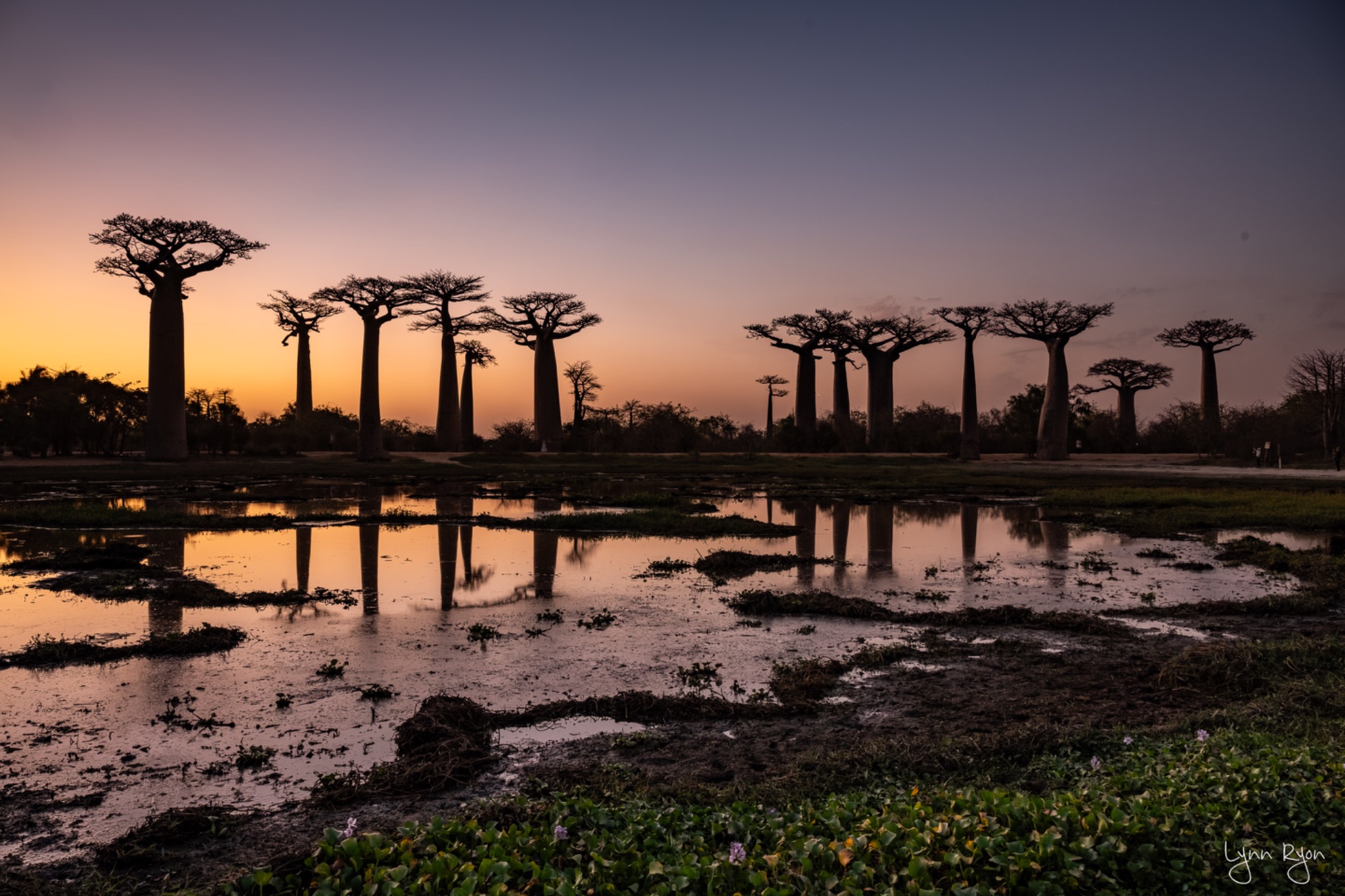
After Ranomafana it was time to go back to drier areas for which my clothes and my laundry did not feel sorry. We had the longest journey of the trip ahead to one of the most distant spots in the West, the Tsingy de Bamaraha, famous for its rock formations and…Schlegel’s Asity, one of my top desired targets of the trip. We could not make in a day trip so we would make a 1-day stop at Kirindy Forest. After 6 hours of driving and a stop at the famous - very touristic - Avenue des Baobabs, we made it just in time to start the nightwalk in Kirinidy Forest, a dry-deciduous park like Mangily. There was some hope to see the Fossa, a cat-like carnivorous mammal and the island's top predator but we had no luck that day. We did however encounter the cute Grey Mouse lemur, one of the smallest lemurs alive, measuring 25-28 cm and weighing around 60grams.
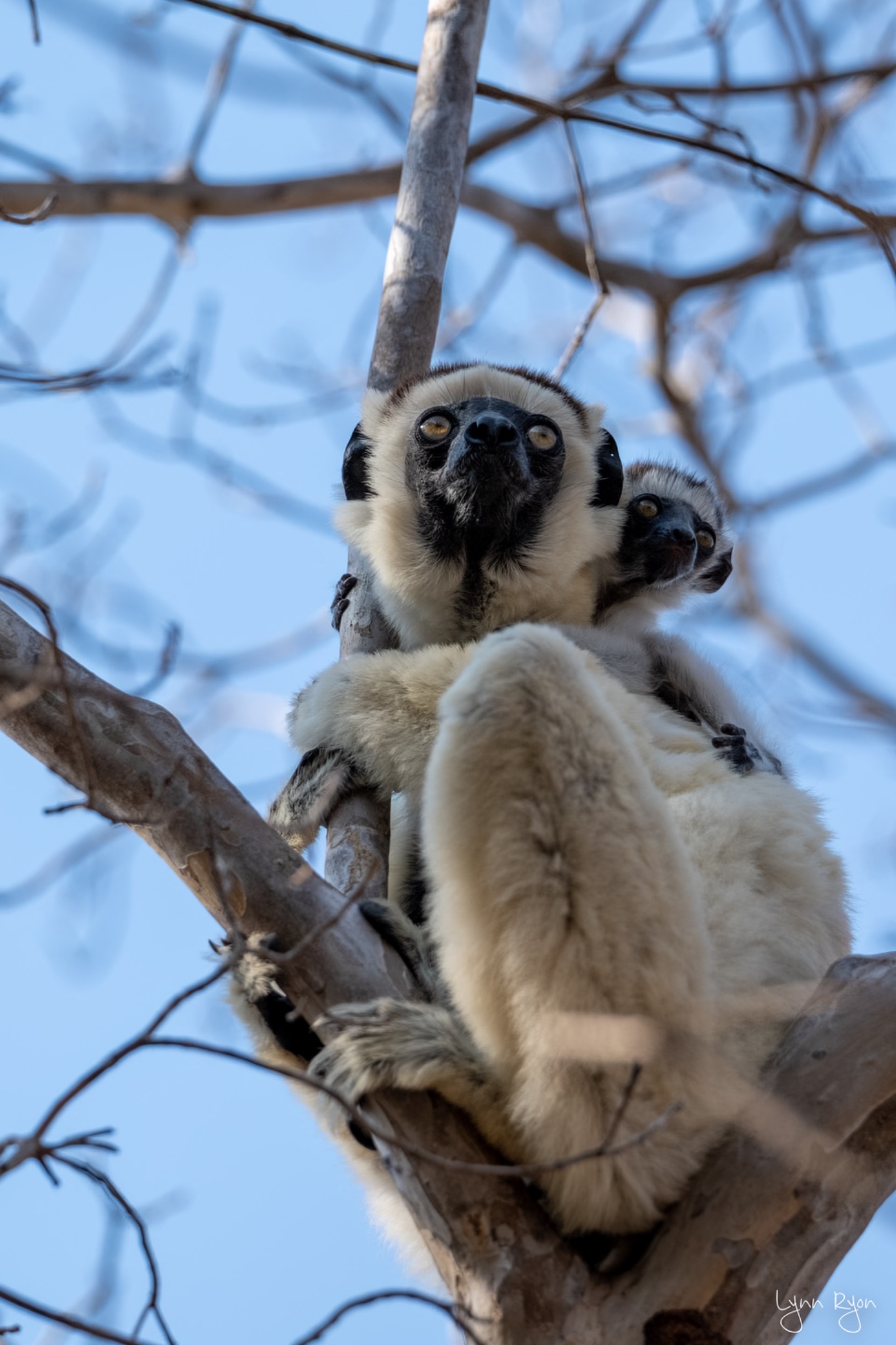
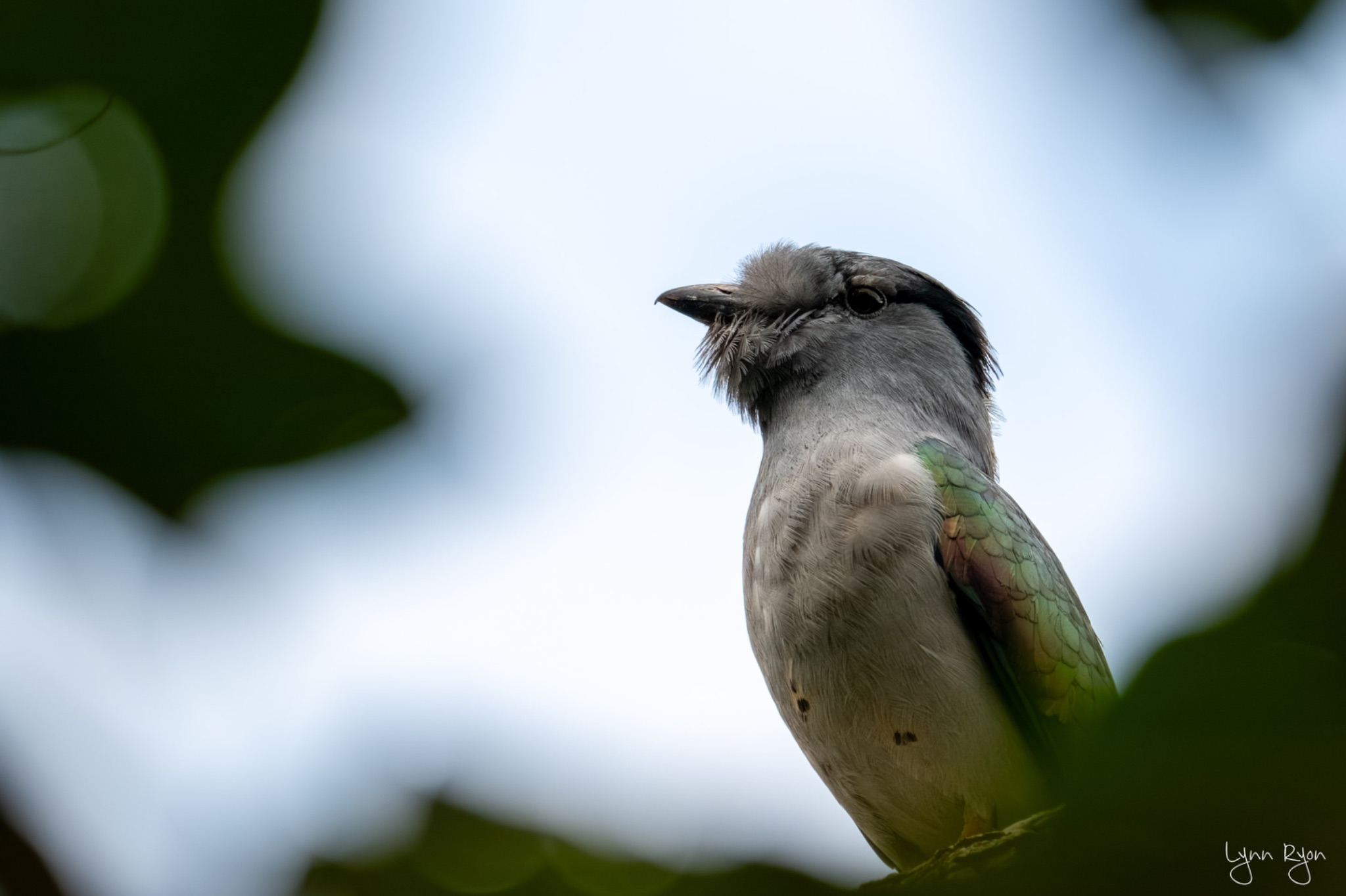
The day walk in Kirindy was quite similar to Mangily: hot and dry. Whilst photographing Paradise Flycatchers and Verreaux’ Sifakas, I thought of all my wet rainforest gear cheerily drying on the stretchable line I had installed outside my tiny cabin. Highlight of the day was the male and female Cuckoo Roller in the sunlight. This bird is quite unique as it can be considered a “living fossil”, which means it it the only living member of its own bird order (Leptosomiformes), a very old lineage that split from other birds tens of millions of years ago. Other highlights were the White-breasted Mesite.
The next day the route to Tsingy continued. This was the longest and most challenging sandy and bumpy route of the entire trip. The trip took forever and there was no way to try and rest as the car was shaking so heavily to all sides that we constantly had to prevent our heads from hitting the roof and windows. Two river-crossings and what felt like one hundred hours of driving later, we arrived at a very beautiful resort near the Tsingy.
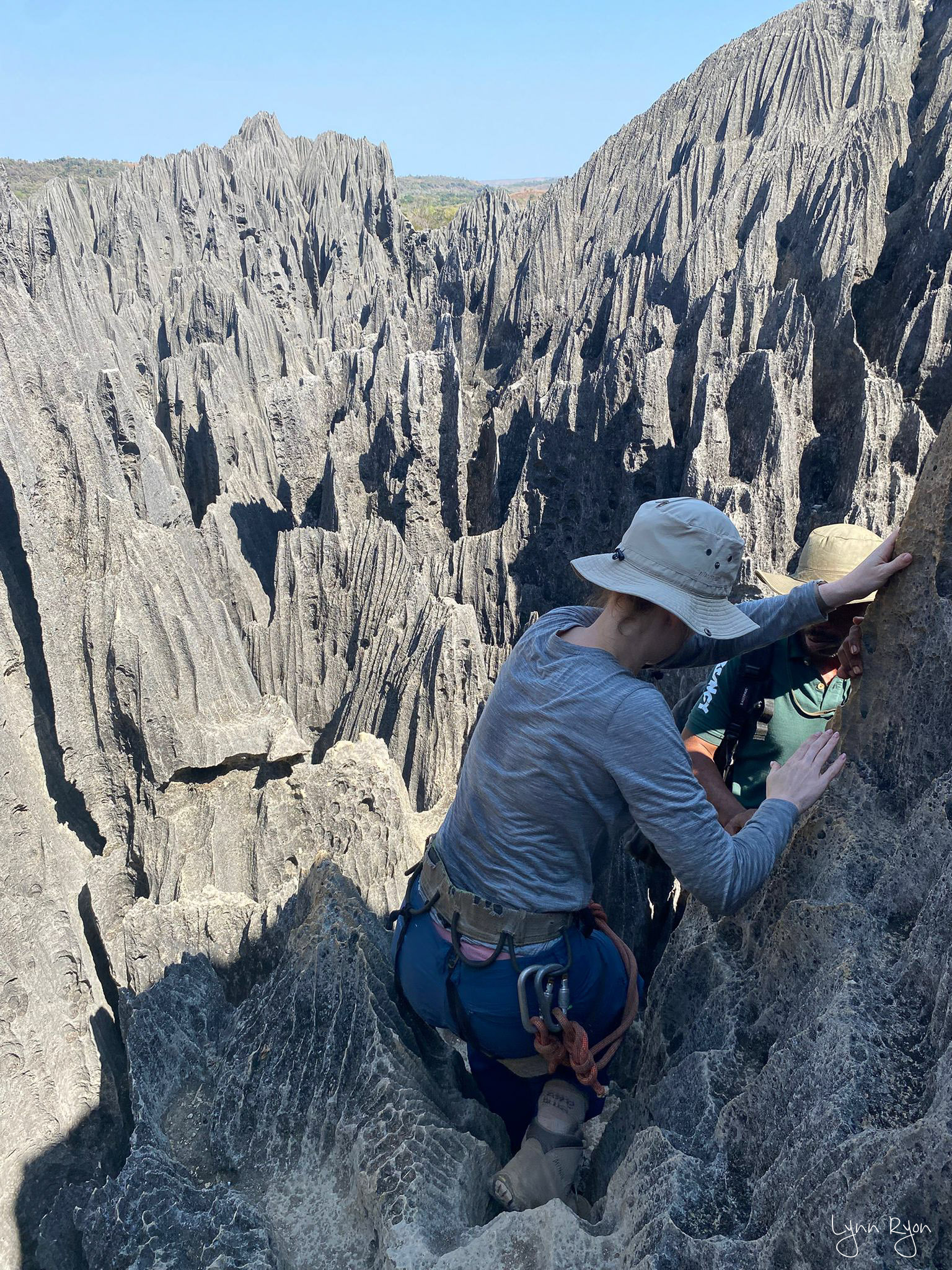
Tsingy the Bemaraha is on the UNESCO list for its dramatic karst "stone forest" landscape and its outstanding biodiversity with many endemic species. Its rock formations are the result of millions of years of erosion of thick limestone plateau by rainwater and rivers, which sculpted towers, canyons and sharp pinnacles. Only 100 people per day are admitted to the Great Tsingy and during the rainy season the whole area is closed (remembering the sandy road we had to take here, I did not question why they close).
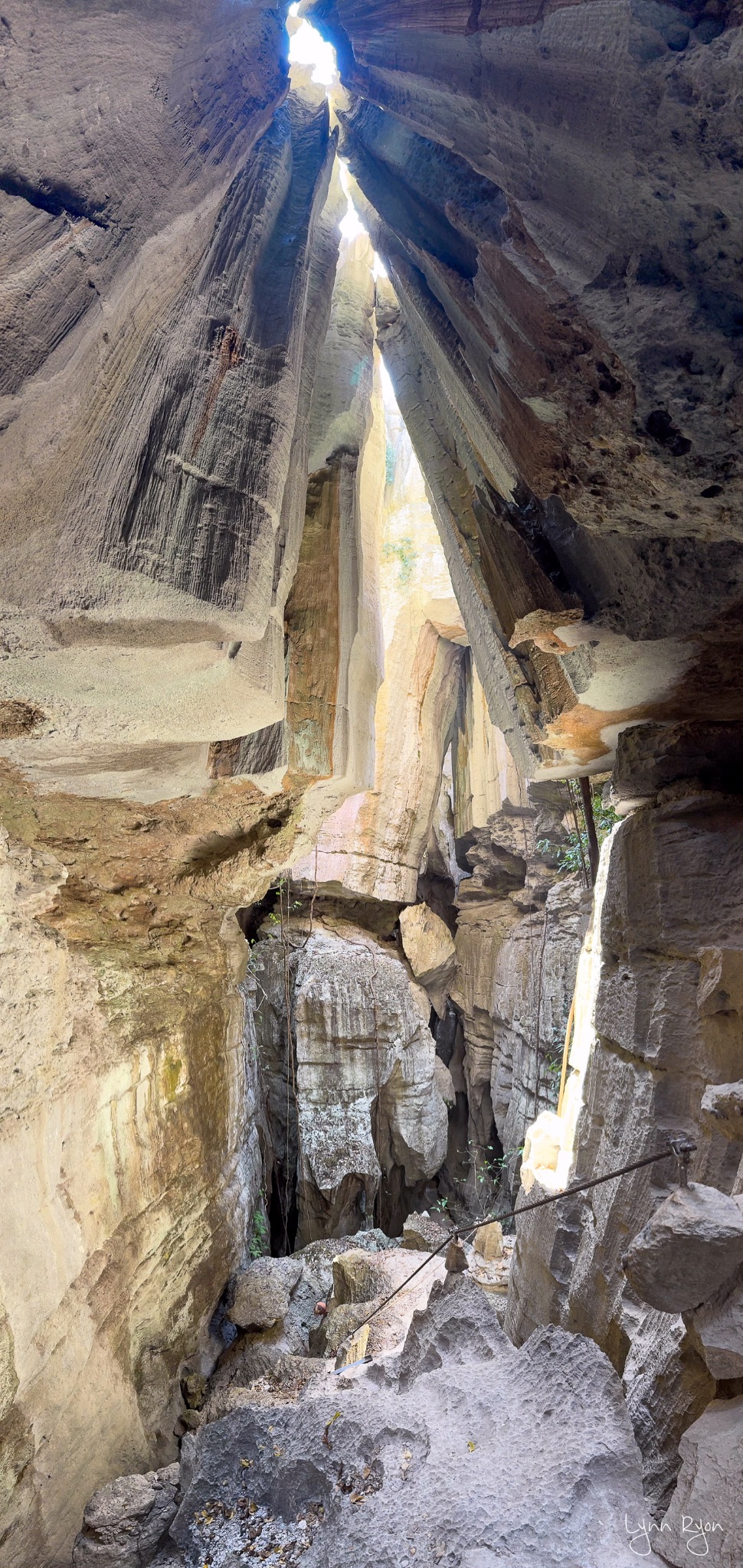
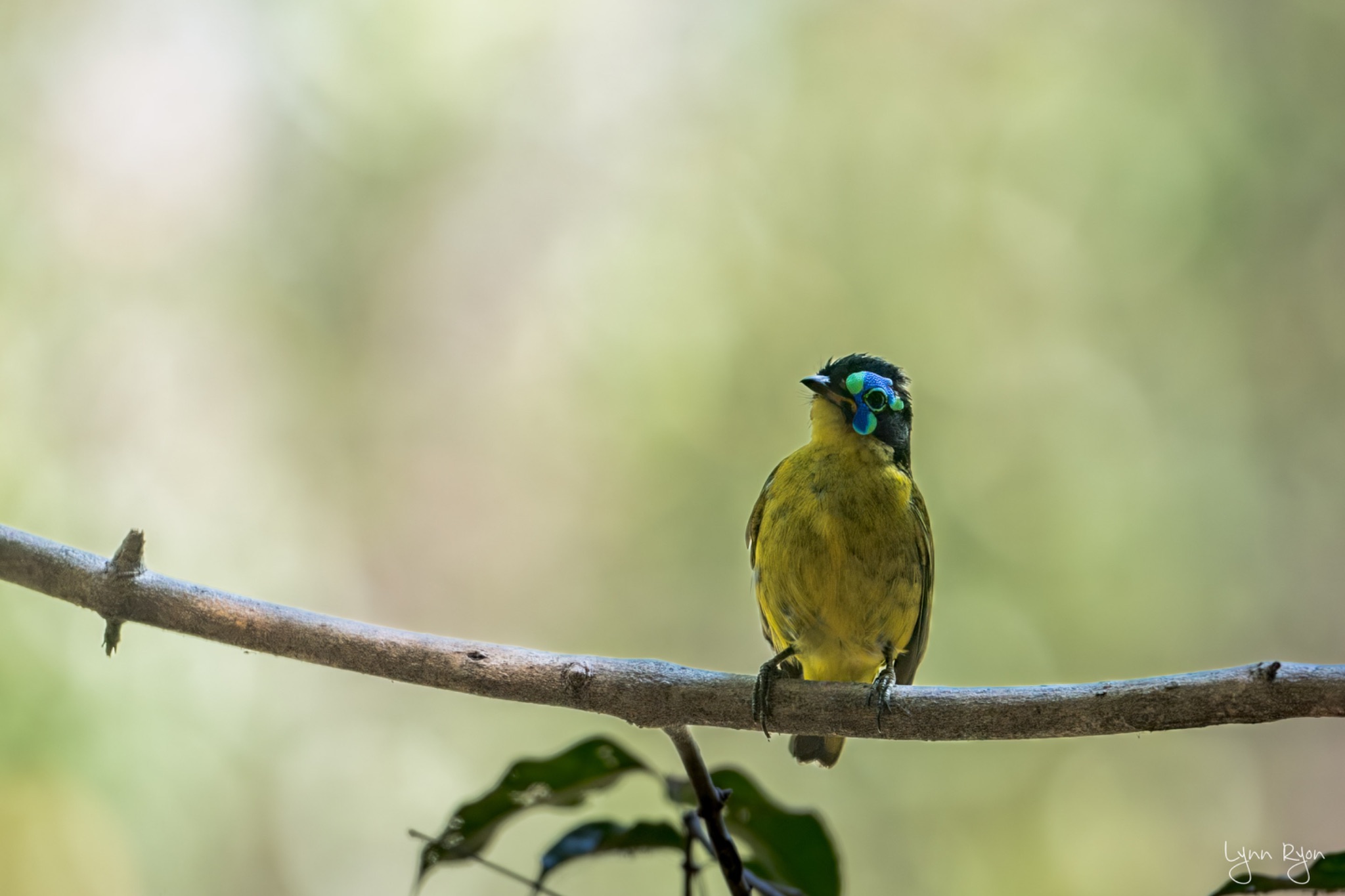
The night before the visit I had been researching how long the trip would take and suddenly realised that the only way to visit the park was through Via Ferrata. For those of you who know me well, you can imagine my reaction to this news. Forest, snakes, sand, altitude, long walks, hissing cockroaches,…I withstand them all but a tour with a camera in a harness and a questionable cable attached to rock formations…not my cup of tea at all. When we arrived at the entrance, I really dreaded the harness and the idea that I would be climbing in the burning sun all day. However, it was the only way to see Schlegel’s Asity so there was no way back. I had to. With a lot of blood, sweat, tears and fears, encouragement and help, I got there. And the reward was big. The views were of course amazing, overlooking the whole Tsingy like a majestic stone forest on Mars, I have to admit I enjoyed being there. During our descent back, we suddenly saw a small bird swiftly flying by and landing on a branch in the shade. To my surprise it was not only a real Schlegel’s Asity, it were two Schlegel’s Asities. The male and female sat at a short distance from each other on the same branch and they were gathering nesting material. Taking the camera out of my backpack took forever, at least it felt like forever, but at least I had seen them with my eyes. It must have been their reward to me for conquering my fears because they remained on that branch for about 10 minutes, enough for me to take some photos registering this amazing moment. Thank you Tsingy! I was ready for the long way back on the bumpy road.
The colors and calls of Andasibe-Mantadia
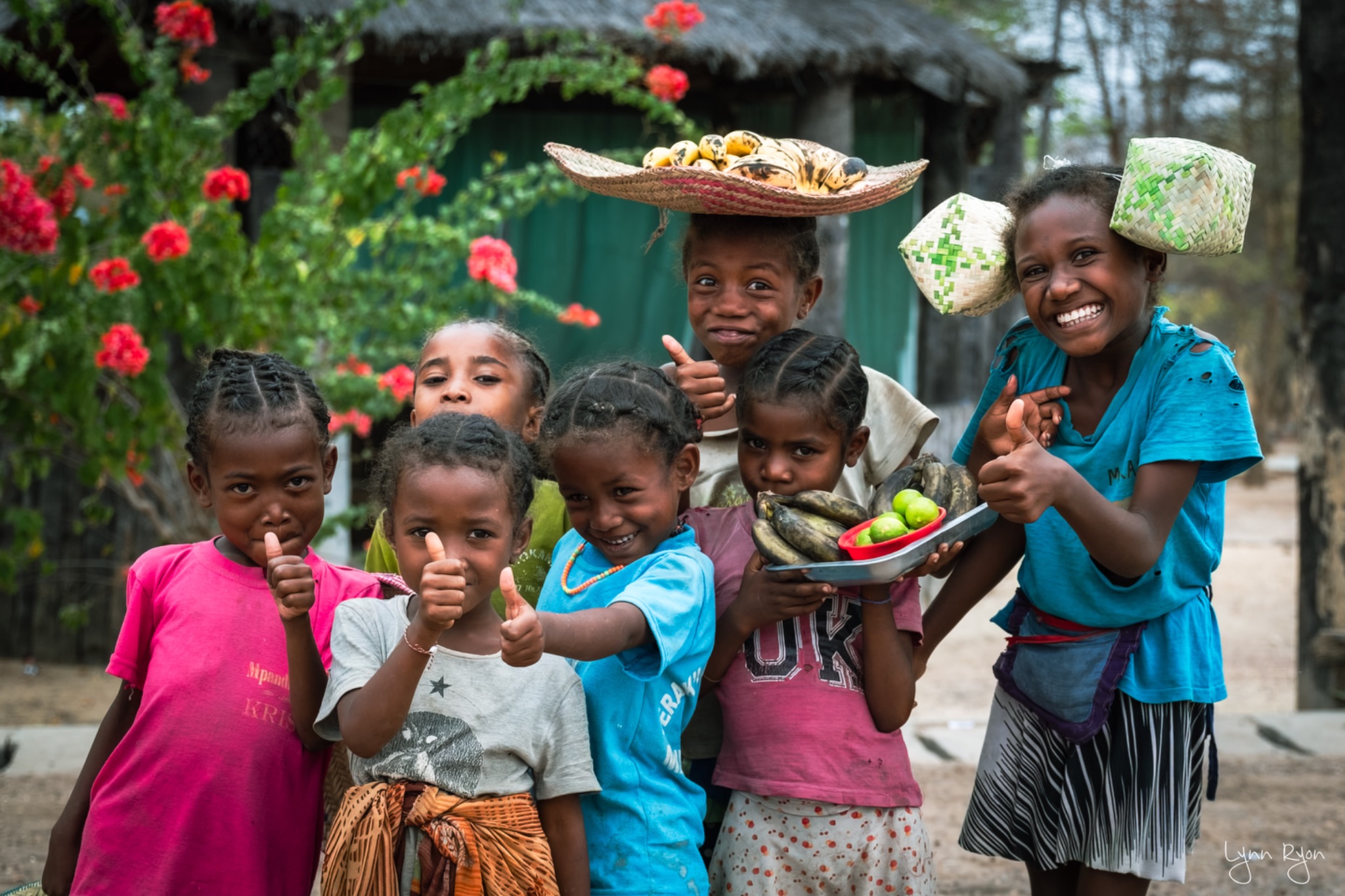
The country is as colourful as its birds. Every city, town and tiny village is covered with painted colors of typical cellphone subscription, bank and food brands: Yas, Airtel, World Cola, Caprice Orange, they all make up for the dry, brown sandy streets we drive through. The French history is felt in the abundance of baguettes being sold on the streets, old French train stations and Municipal buildings that are now used to house families or markets. The most authentic example I found in Andasibe, where even the old french (broken) train wagon still occupies the left track of the train station, preventing the current trains from using the track.
The last two parks of this 3-week journey were already fast approaching. We still had Andasibe-Mantadia and Ankarafantsika on the schedule. I was very much looking forward to that first one as it would be another trip in the rain forest. There I was hoping to find the largest lemur of all: Indri Indri.
We got another gem of a local guide called Michael that welcomed us in Andasibe. His father and brothers also guide in this Parc and Mantadia and he learned everything since he was a child, joining his father in the rain forest.
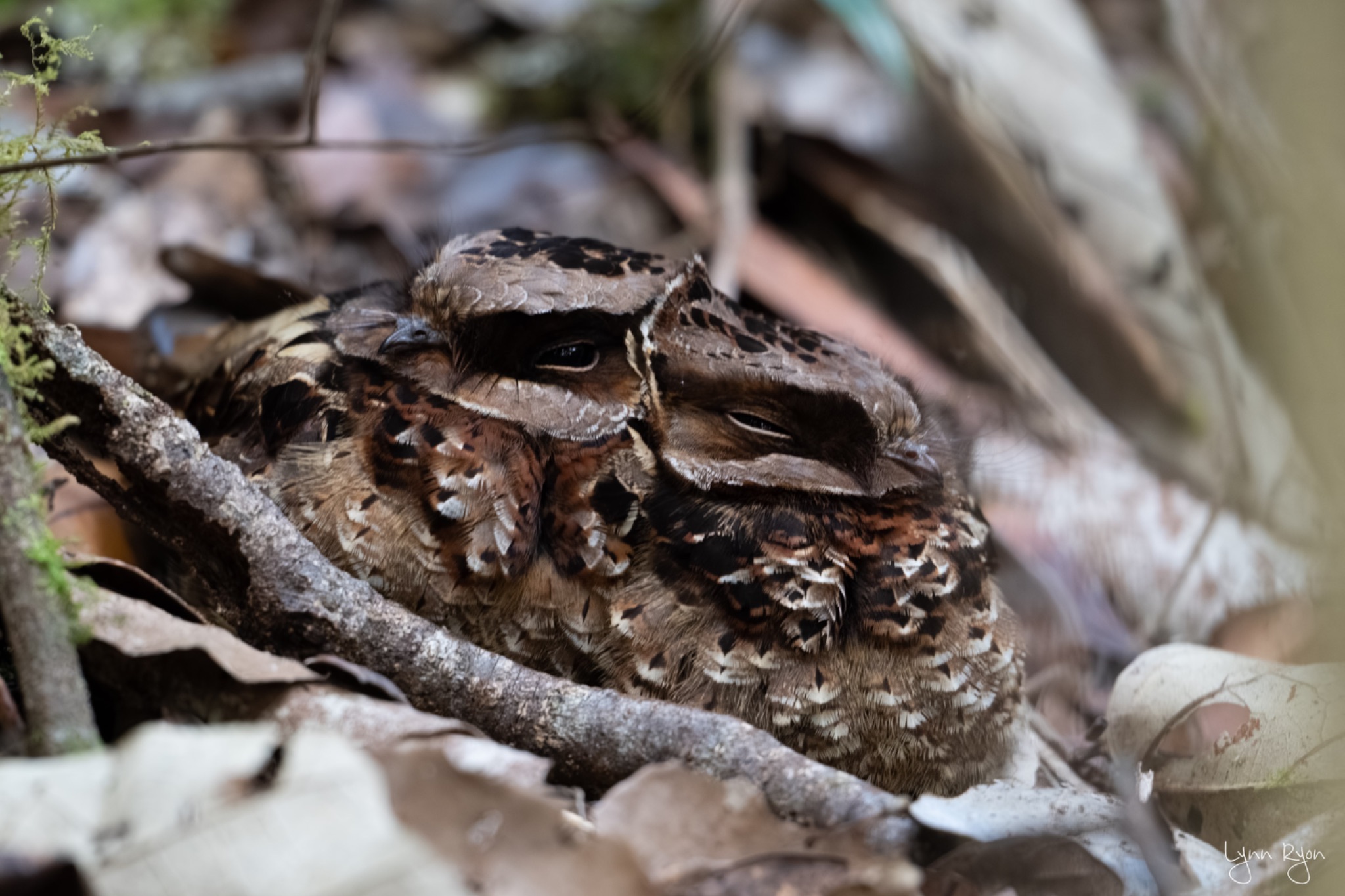
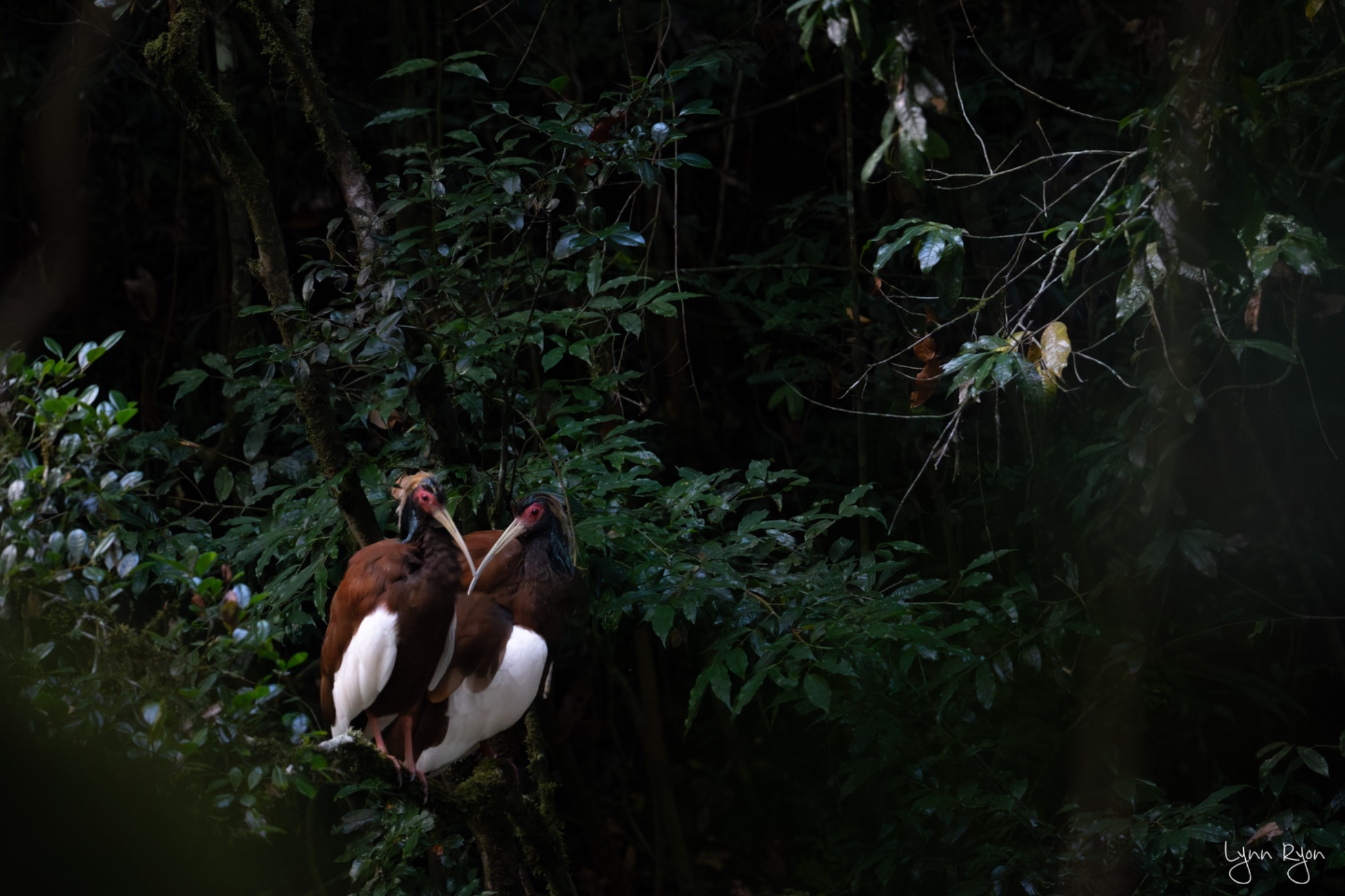
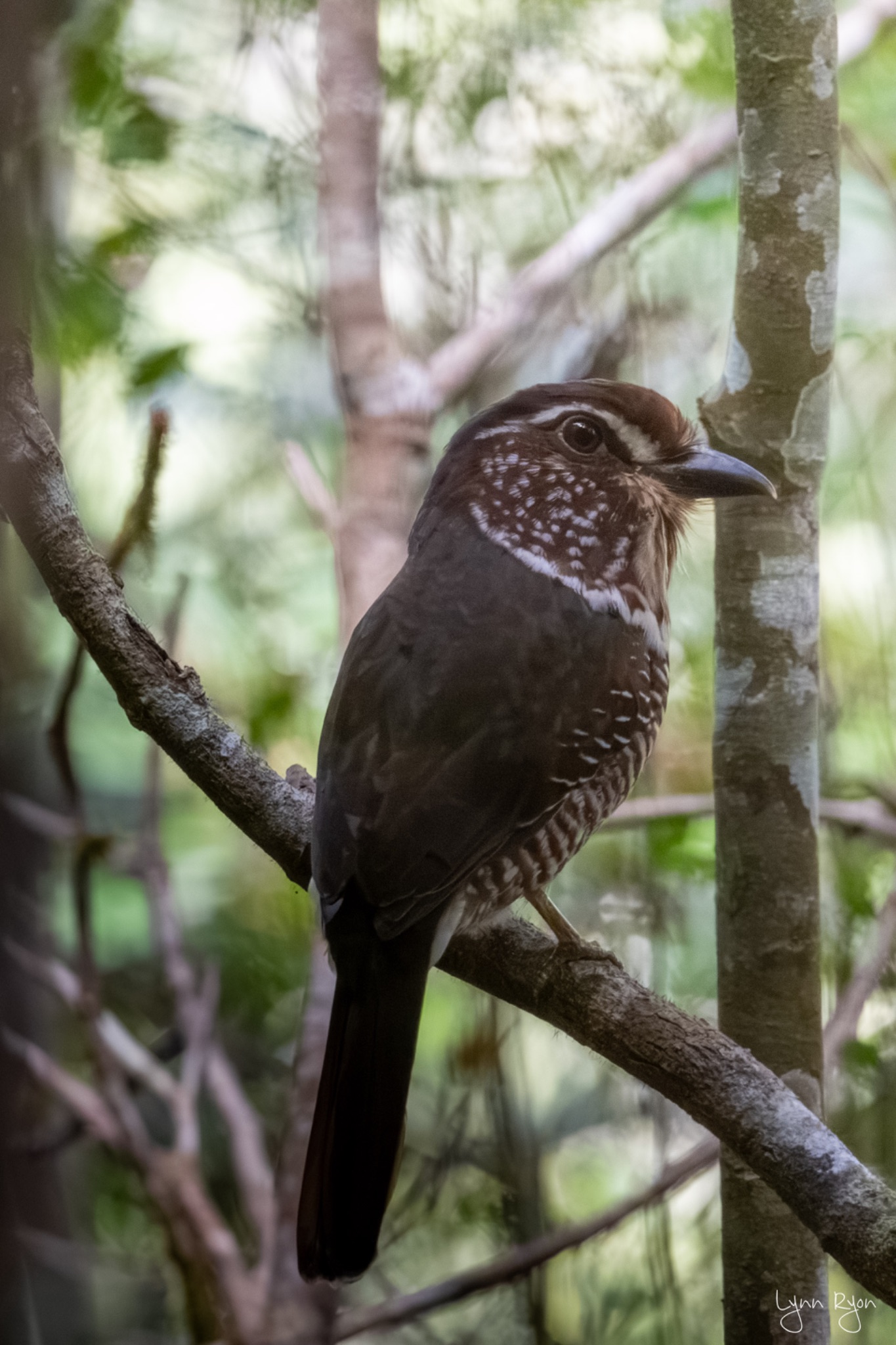
After some beautiful moments with a pair of Crested Ibises, Collared Nightjars and a very tired Rainforest Scops Owl, we encountered Michael’s brother together with 3 Dutch biologists who clearly were looking for the same thing like us: the Short-Legged Ground Roller. This was the last Ground-Roller I needed to spot to complete my family of the Ground-Rollers of Madagascar. Suddenly both brothers heard its call and we started a speedy run uphill, off the path and directly through the jungle shrubbery and trees. The pace was exhausting and I had trouble focusing on keeping the camera safe and myself from falling. As we approached the bird more closely, it took off and flew away, calling again. So we followed. Uphill, downhill, uphill again, until suddenly it decided to take a rest on a branch in eye’s view of where we were standing. What a funny creature, brown with white spots, this huge eye and then those very short legs. The Dutch guys and girl were excited to see the photos I took as they only had binoculars on them.
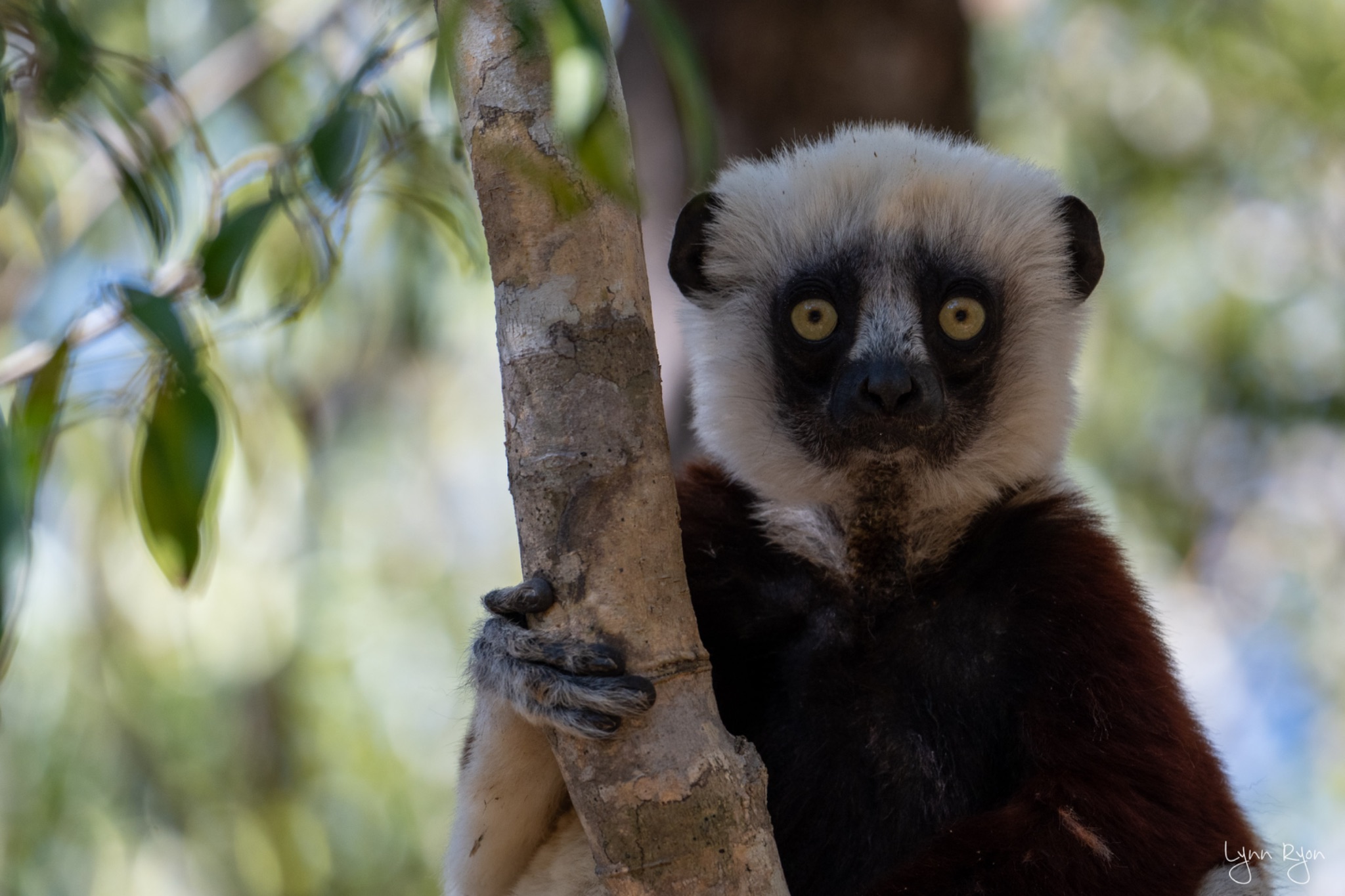
Right after this sighting we were treated to the next top inhabitant of Mantadia: the colourful Diademed Sifaka.
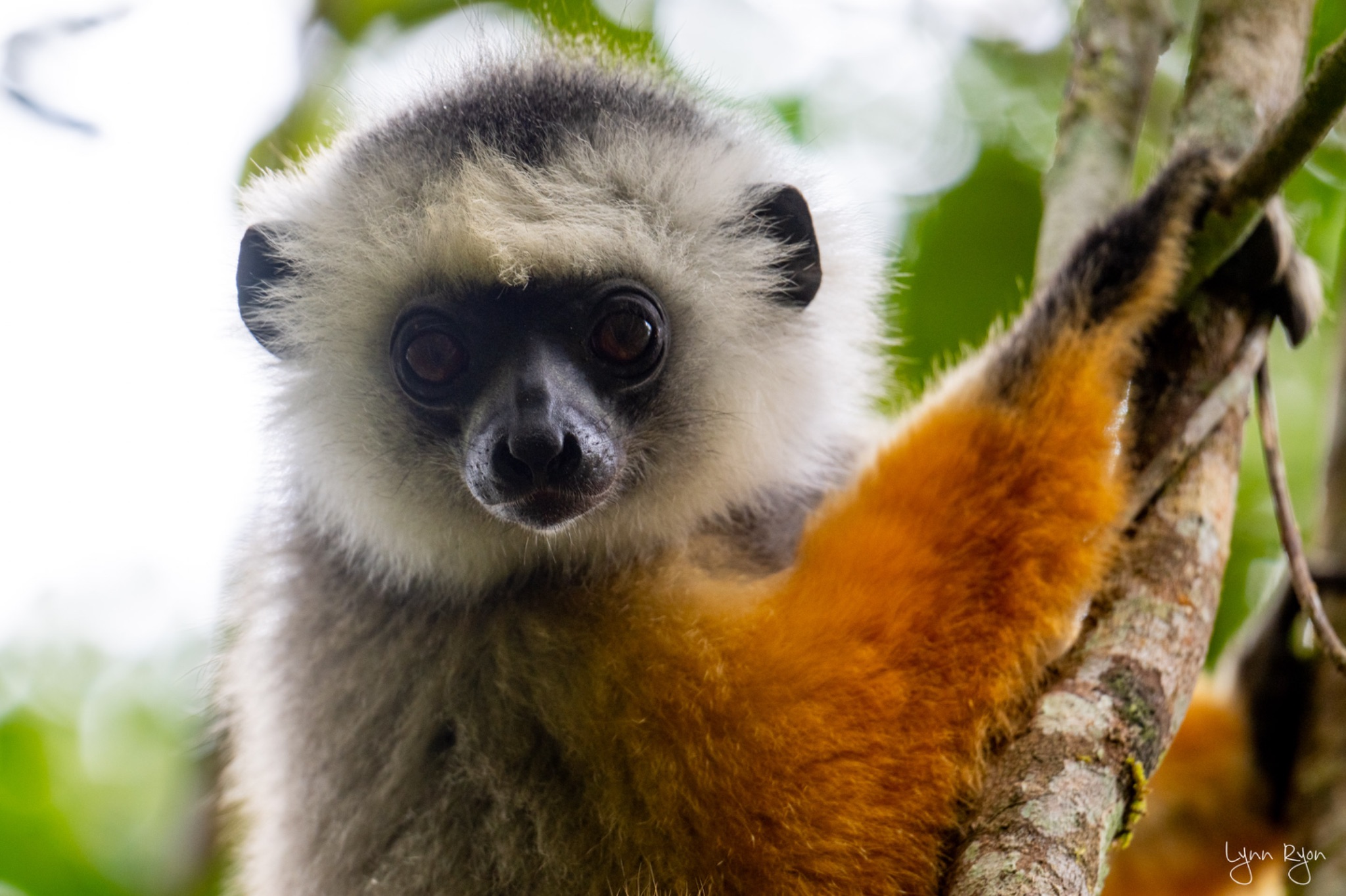
In the evening we took another nightwalk as I really wanted to try and find the Dwarf Lemur. And Michael would not be Michael if he did not find it with his eagle-eye in the darkness. It really amazes me how these guides can scan vast areas in the dark with just a single torch and spot the tiniest frog or chameleon right away. He clearly took pride in it and showed off his top spotting skills.
The second day we went to Mantadia to see the Indri and to the Torotorofotsy Marsh where our goal was to find the illustrious Grey Emutail.
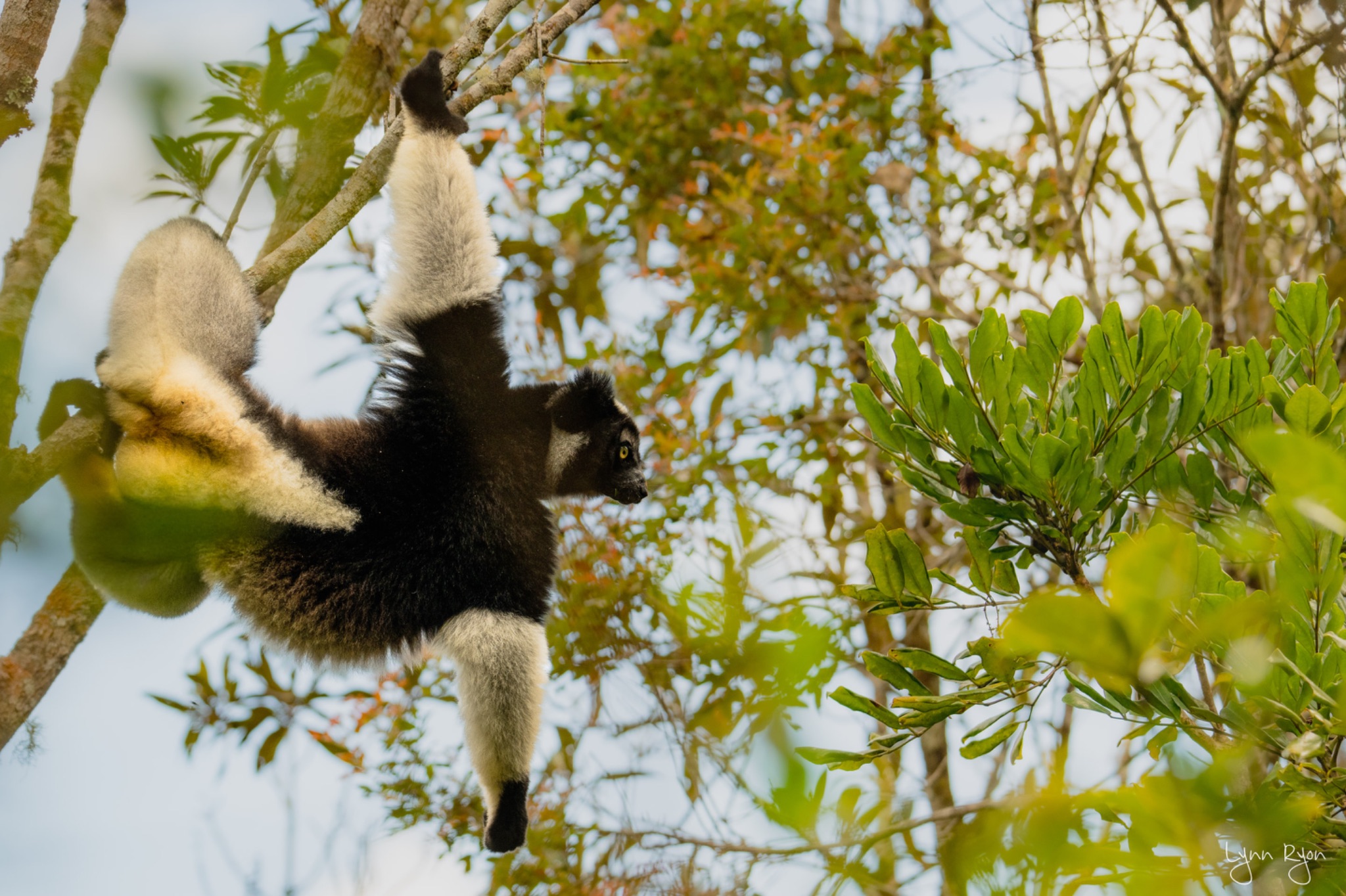
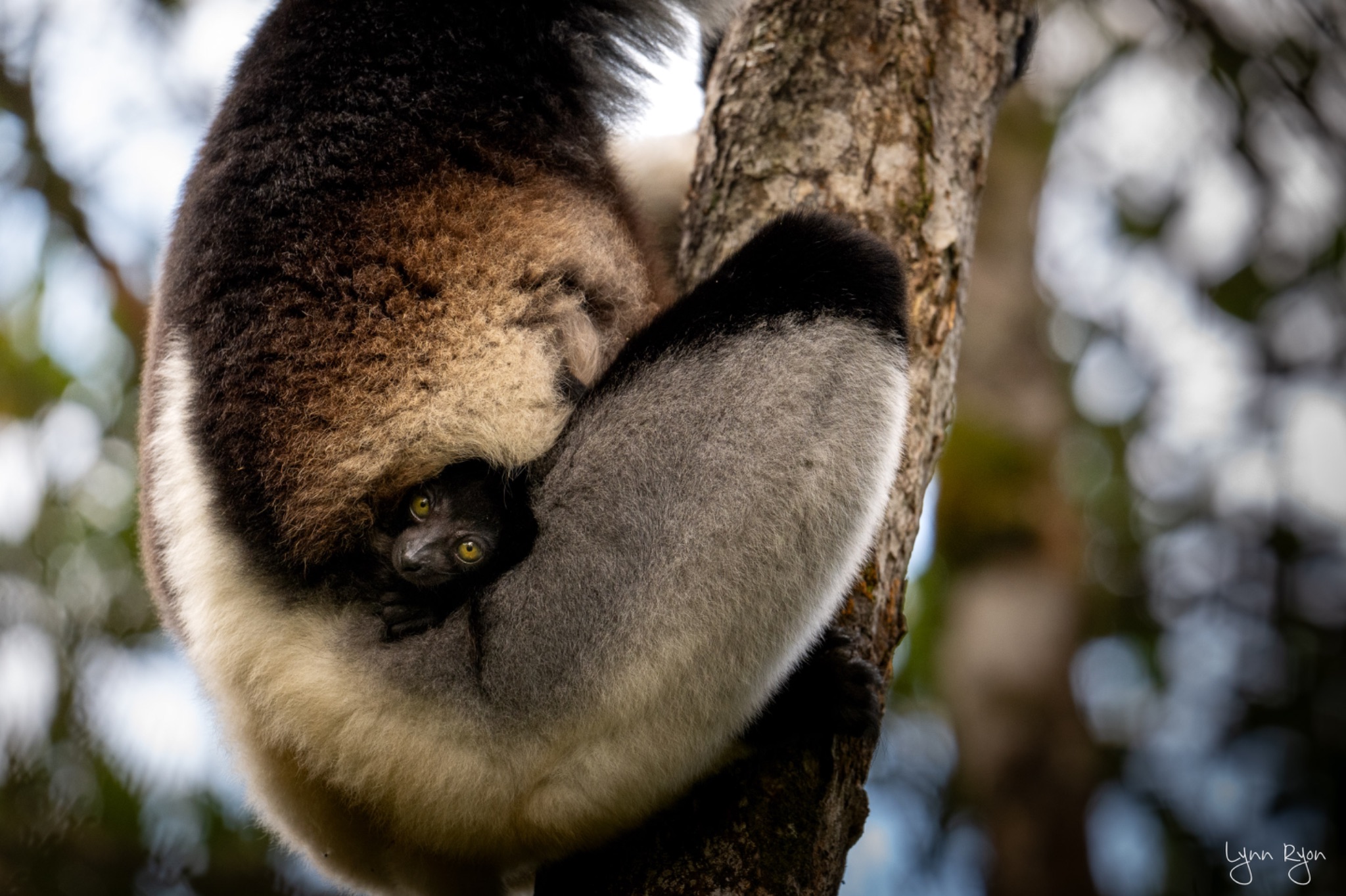
The Indri is a particular lemur species as it has never been successfully transported out of Madagascar alive. Each attempt to bring the Indri Indri to any international zoo resulted in the animal dying during transport. So the only place in the world to see the largest of all lemurs in in Madagascar. I had heard about its size, its loud calls and the story that Malagasy people consider the Indri one of their ancient ancestors. They call it “Babakoto”, “little father”.
Walking in the Mantadia park early in the morning when the sun rose, we suddenly heard a call. Words fail to describe the deep, loud call this creature can make, immediately responded to by another group of Indri further down the valley. We saw the forest wake up, watching from the highest point of the park as the calls grew louder and started to move. Our guide translated them for me: “they are calling the group to stick together, closer”. This very moment became one of the core memories of my trip and made me realise just how much I love to be in the rainforest. Writing this memory down even brings tears to my eyes right now.
We had to say goodbye to the Indri families and headed to the Torotorofotsy Marsh for the Grey Emutail. This bird is highly sought after and even Michael got the help from - for once - female local guide to try and find the bird. She was dressed like she was ready for a wedding party and as soon as we started to hike through the marsh, she suddenly took off her shoes and hid them in the high grass. “Je les recuperais demain”/ “I will come and get them back tomorrow” she said. We hiked through the long grass and suddenly she and Michael heard the call of the bird. But what a little devil to photograph. We must have looked hilarious trying to find + photograph a bird that kept on flying around as fast as a bullet and each time when it landed immediately hid in the long grass. After about six attempts we finally made it: the guides to find the bird + me to photograph it when it landed. Gotta love that Nikon bird tracking in flight feature.
It was impossible to believe that three weeks had past so fast. The last 2 days in Ankarafantsika went by like a haze and we ticked the last couple of birds on the list, including Van Dam’s Vanga, Rufous Vanga & the Jacana, a waterbird with what look like extremely long yellow toes that allow it to walk on the floating water plants.
From Green Island to Red: the high cost of survival
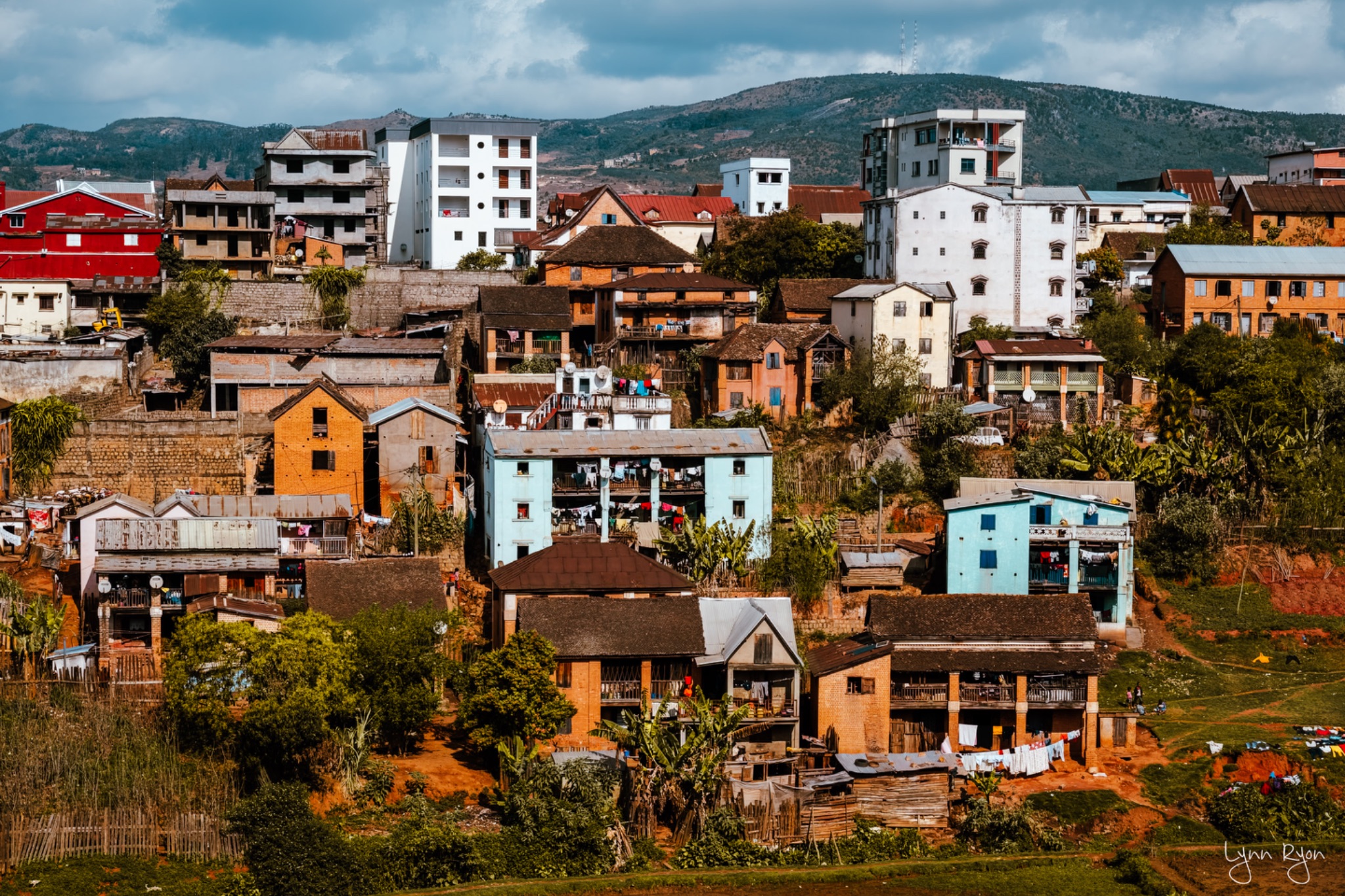
I headed home with colourful memories but also memories of a country that suffers huge distress economically, politically and environmentally. Madagascar is said to be the tenth poorest country in the world. It was obvious that people in the dry areas like the south did not have a lot of means to survive. The ones living in the less hostile climates can grow some crops they sell in the market and some sell zebus for a living.
During my 3 weeks there people started to riot against the president and eventually the presidential regime got overthrown. There were roadblocks and curfews, cancelled flights and 22 people got killed in the protests. I also was unable to take any photo of the landscapes that did not contain a large black fume of burning land. Slash & burn is still the preferred technique by Malagasy to create open land and food for their zebu. Madagascar, once called the green island due to its luscious green forests and surface had to change its name to the Red island, referring to the red sand that shows after burning the land.
Reading tips
When preparing for Madagascar, there were 2 books that really stood out to me and which I recommend reading when preparing for your trip:
1. "The Garden of Mars"by John Gimlette
2. "For the Love of Lemurs" by Patricia Wright
Thank you
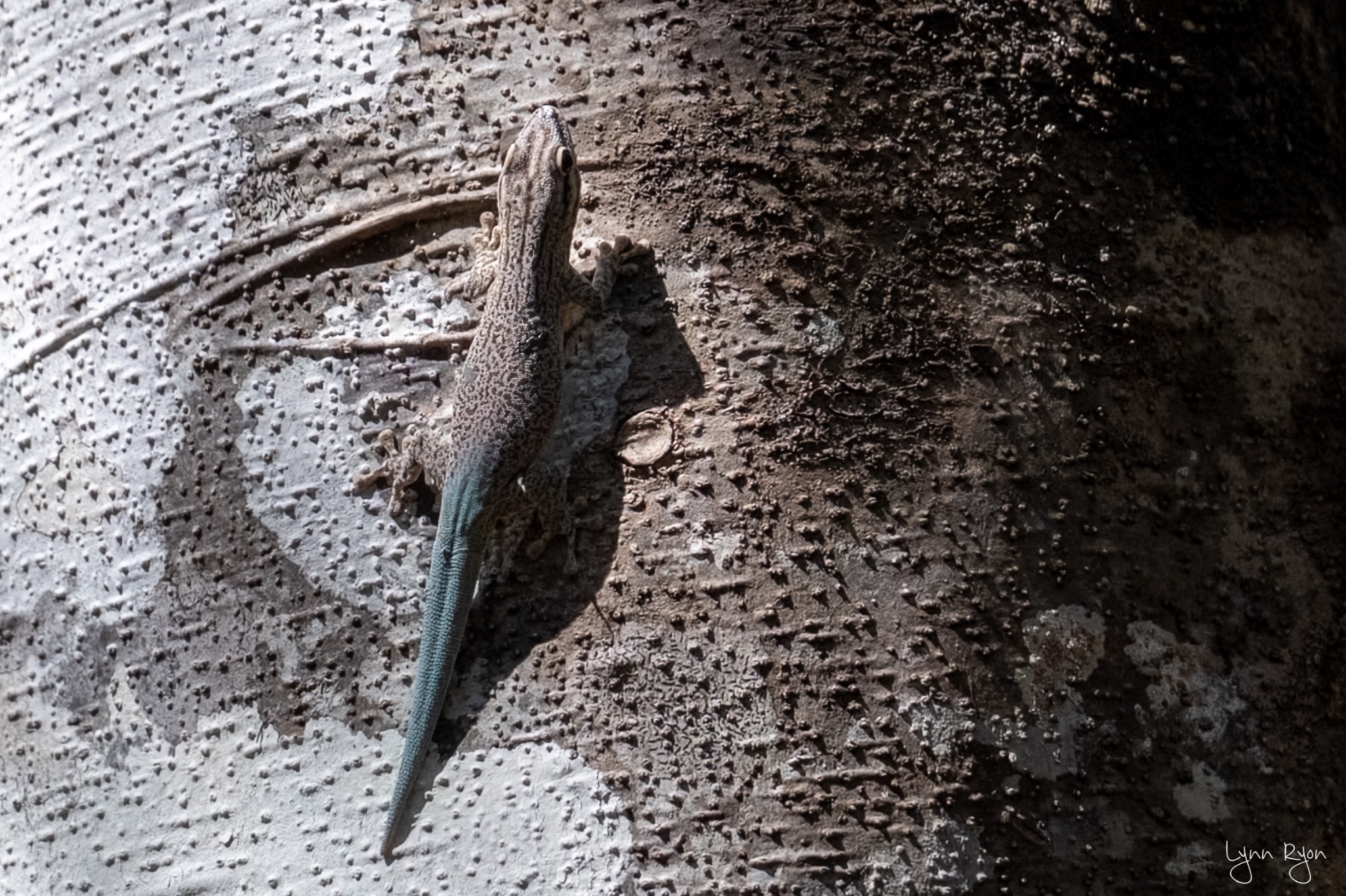
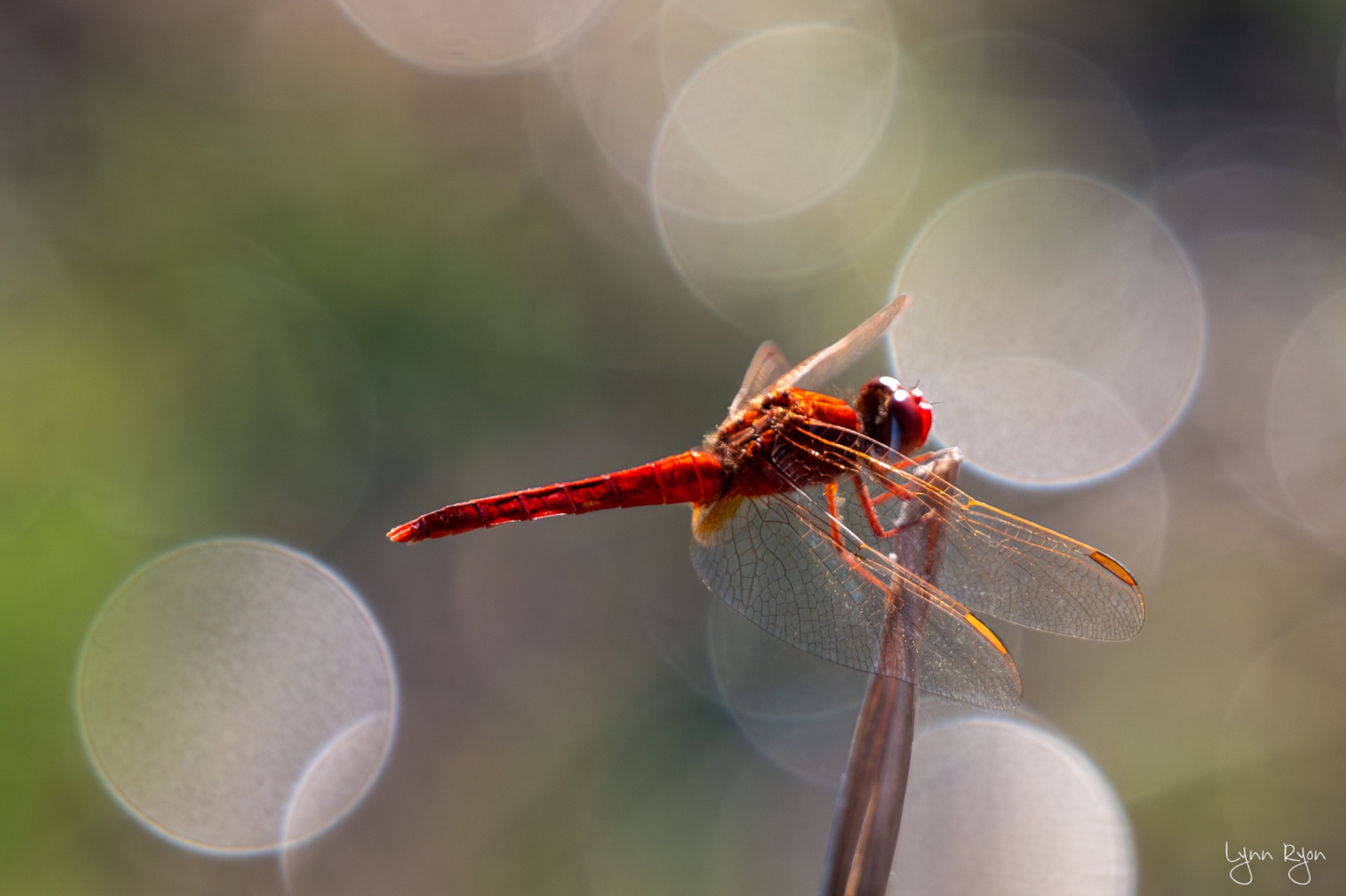
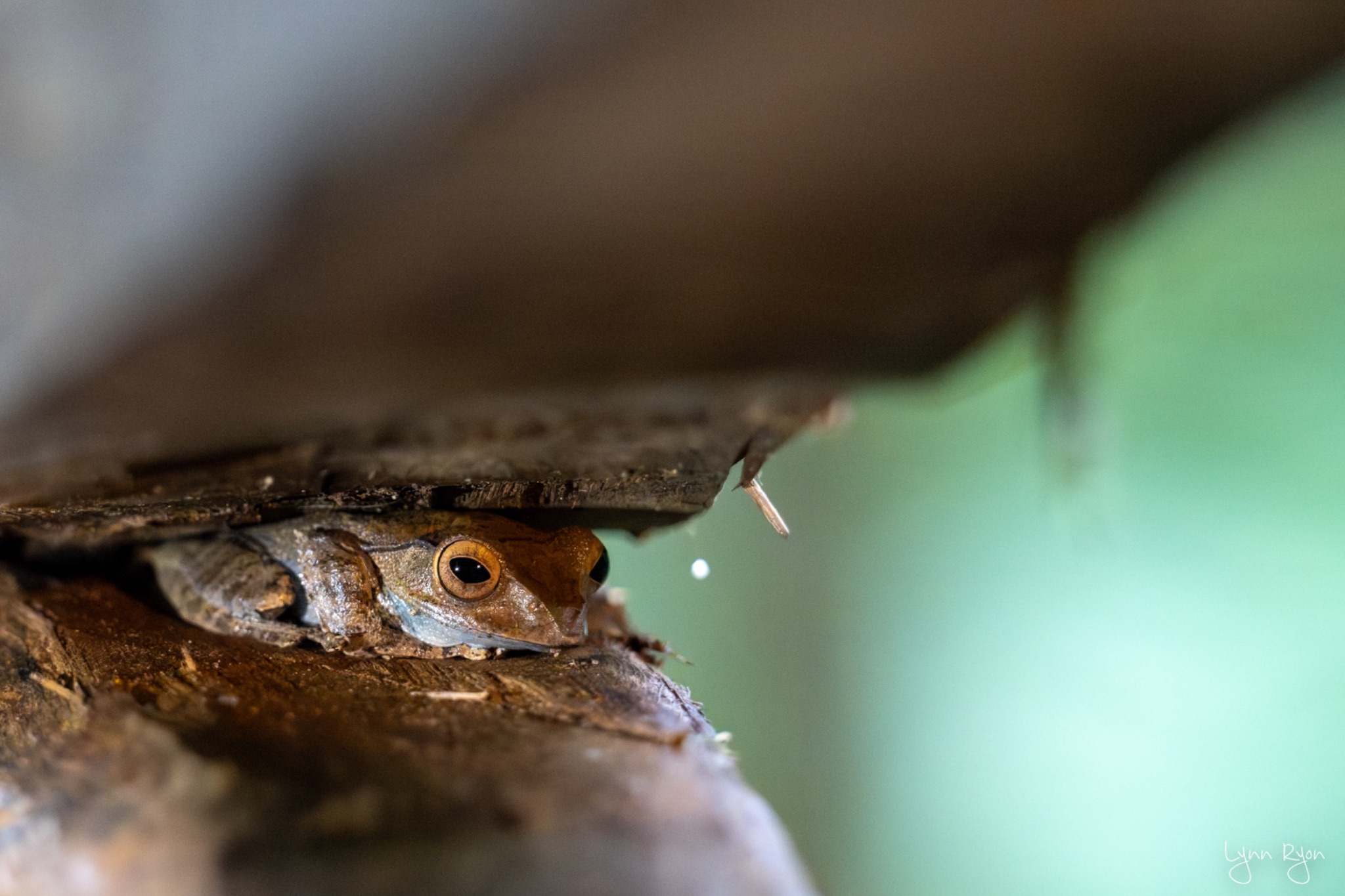
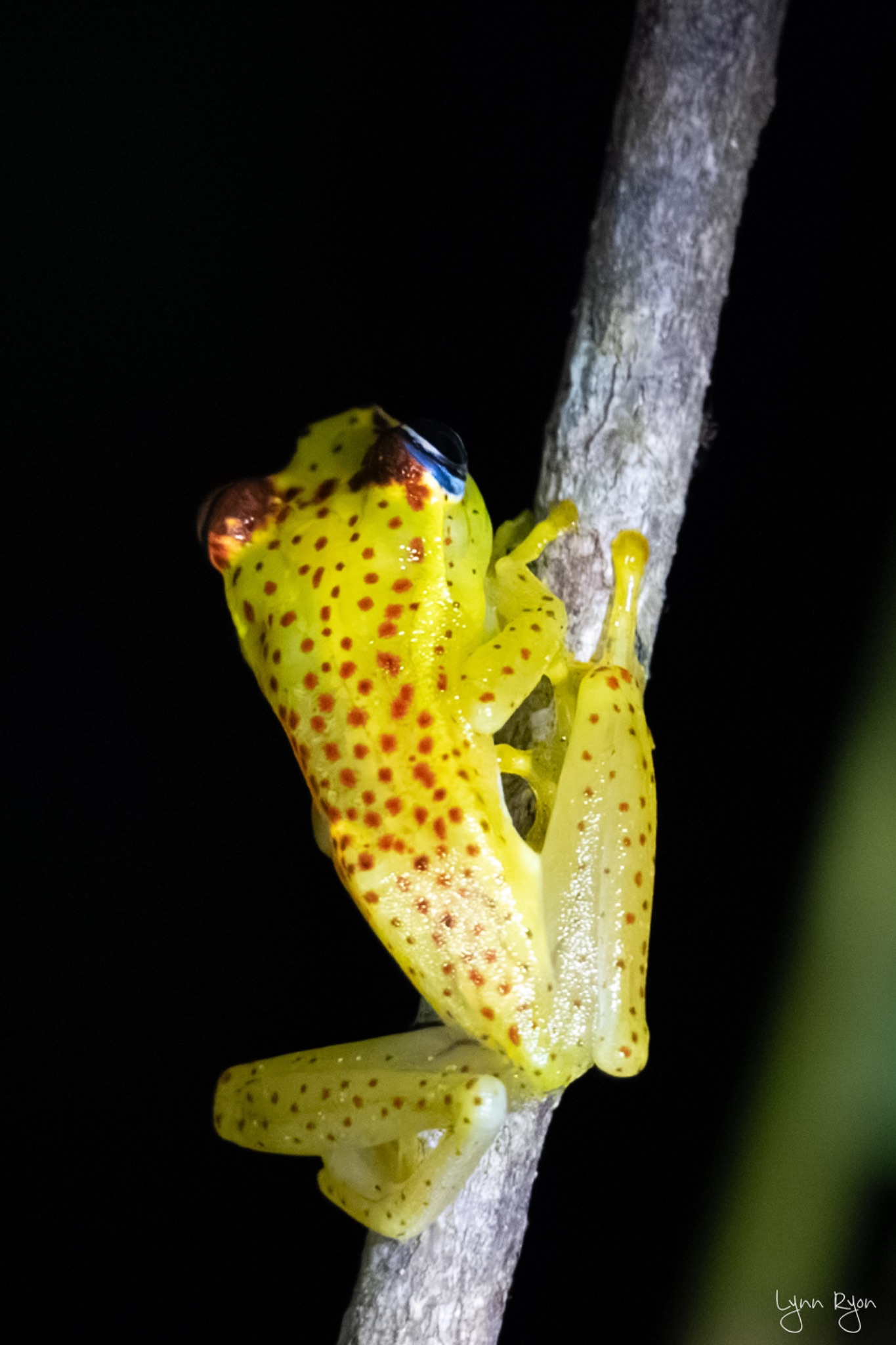
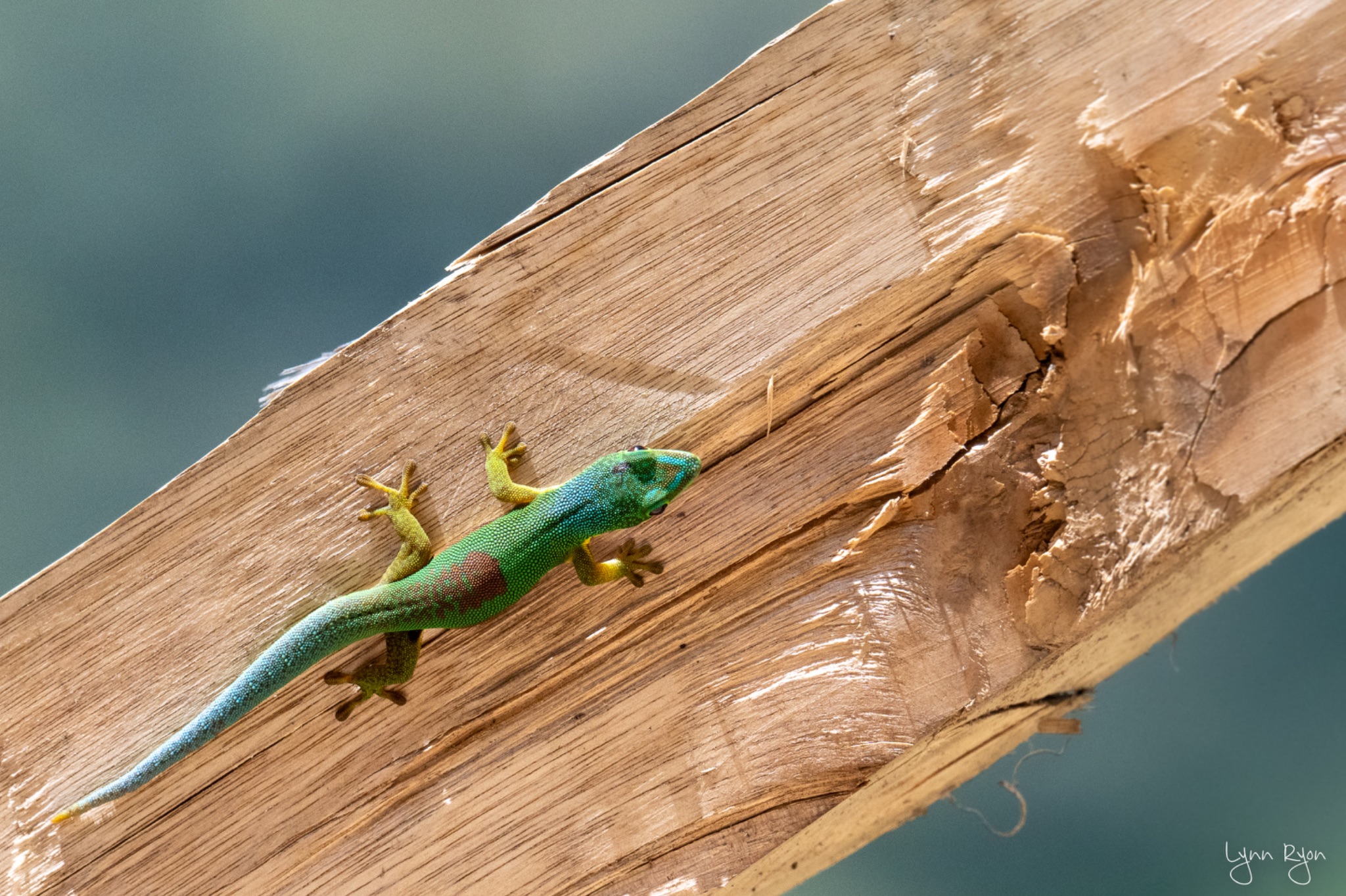
Thanks to Andry and his team from Madagascar Tour Guide and all the local guides, keeping us safe and entertained during this trip, especially drivers Olivier, Adja, and guides Andry, Michael, Adrien and Jean. Thanks to them I eventually ticked 121 unique bird species, 6 chameleons, 1 tenrec, 3 snakes, 16 lemurs, 3 spiders, 1 cockroach, 3 dragonflies, 3 weevils, 1 scoprions, 1 leaf toiler, 3 gekkos, 3 frogs and then a couple of unidentified insects which I still need to find back in my field guide. Also thank you Guy for your endless patience waiting for the partridges we never saw.
I could never have made this trip without the support of Thijs, Charlotte & Margot, who understand that, when the birds call, I want to go and see it for myself.